
Learning that engages the head, heart, and hands
K–12 EXPERIENCE
KINDERGARTEN
LOWER SCHOOL (1–5)
MIDDLE SCHOOL (6–8)
HIGH SCHOOL (9–12)
COLLEGE & BEYOND
FESTIVALS
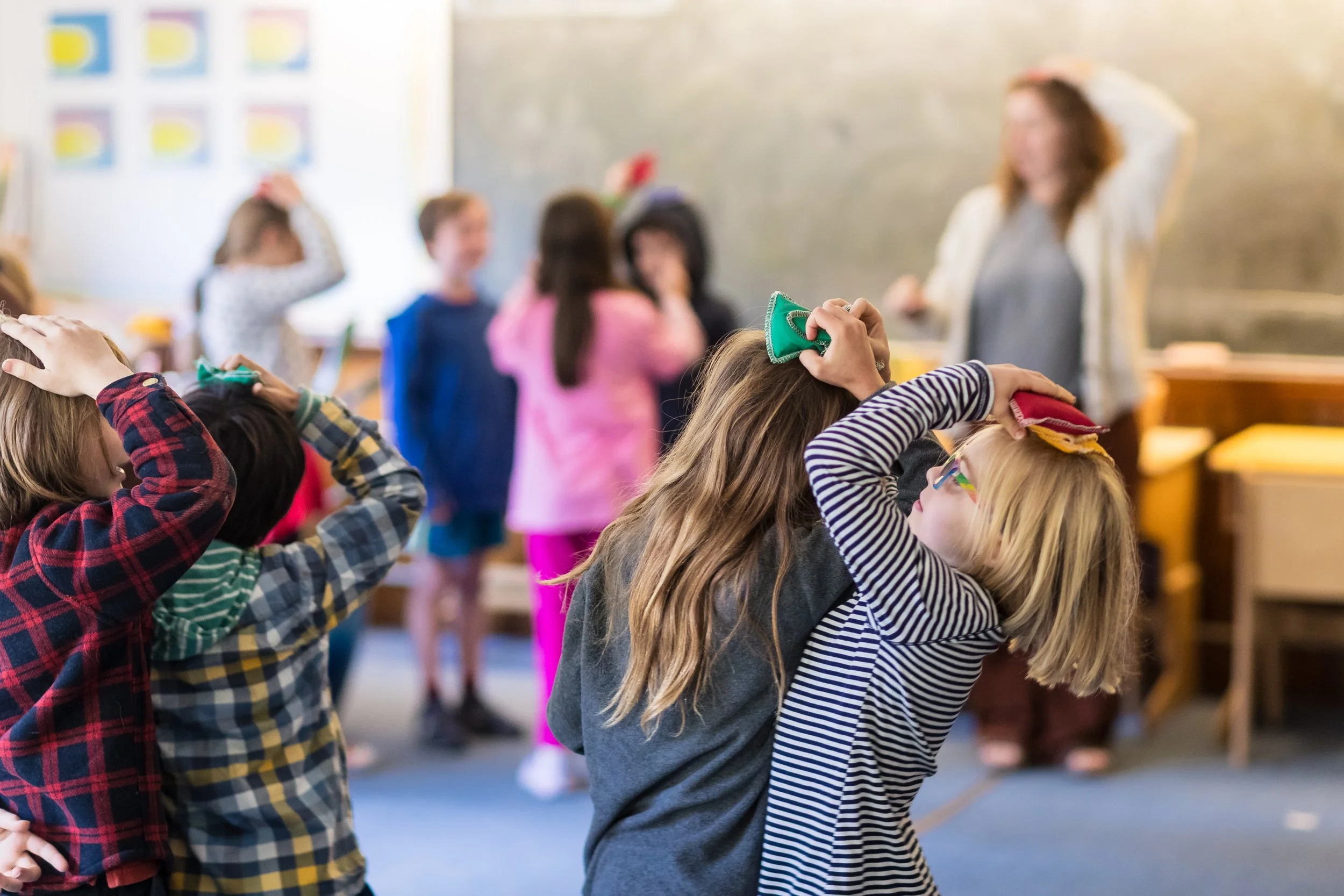
At Gathering Waters, the elementary years are shaped by steady rhythms, clear expectations, and learning that engages the whole child. Students move, build, explore, and imagine as they take up new academic skills, and teachers bring each subject to life through rich stories and hands-on work.
Morning Lesson: How the School Day Begins
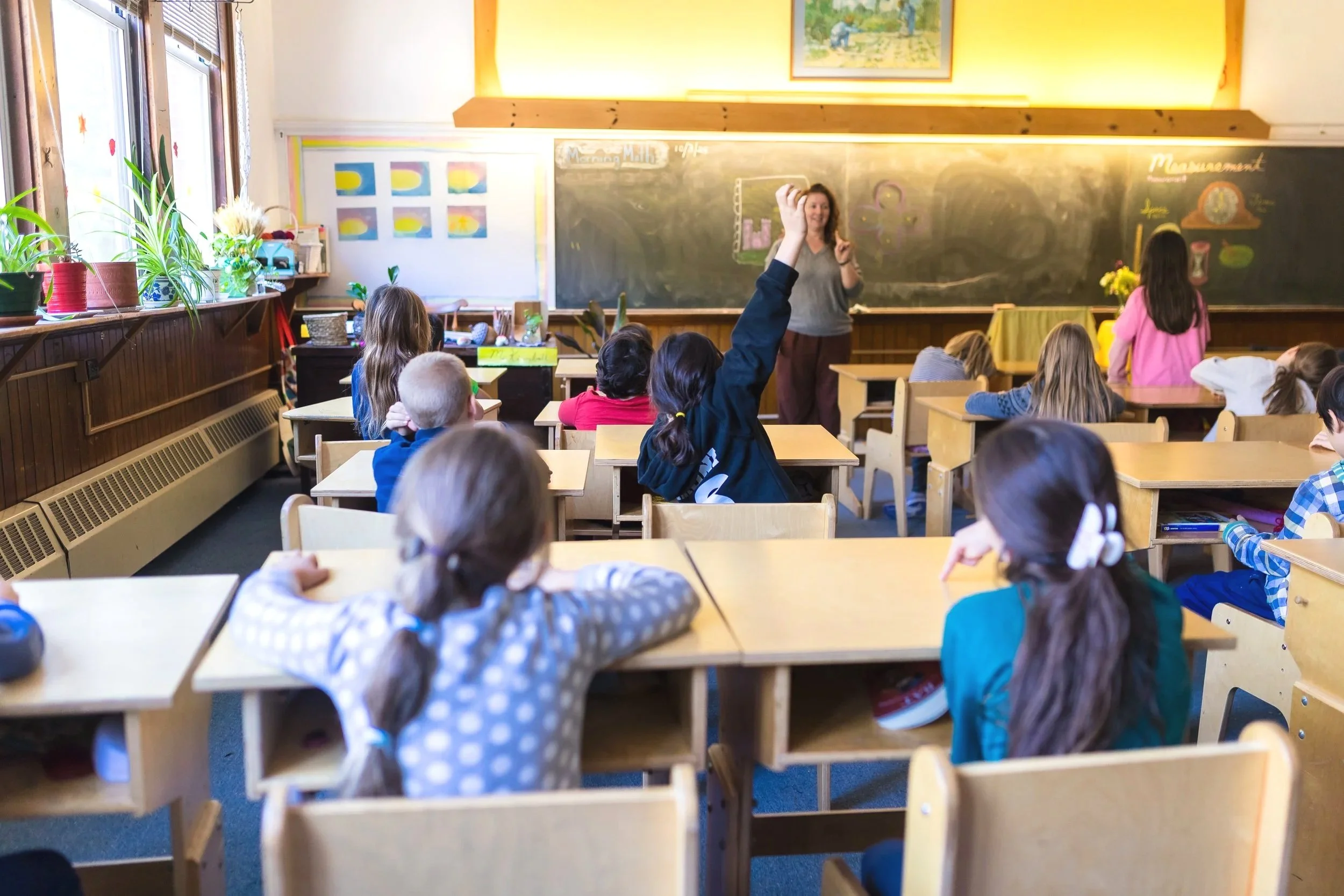
Each morning begins with a simple ritual: the teacher greets every child with a handshake and a moment of connection. After a verse, song, and short movement to settle in, Morning Lesson begins. In this focused block, the class dives into one subject for several weeks, moving between review, new learning, and hands-on work. Lessons weave together story, discussion, movement, and art. The rest of the day follows a steady rhythm of academic learning, artistic and practical activities, movement, and free play.
First Grade
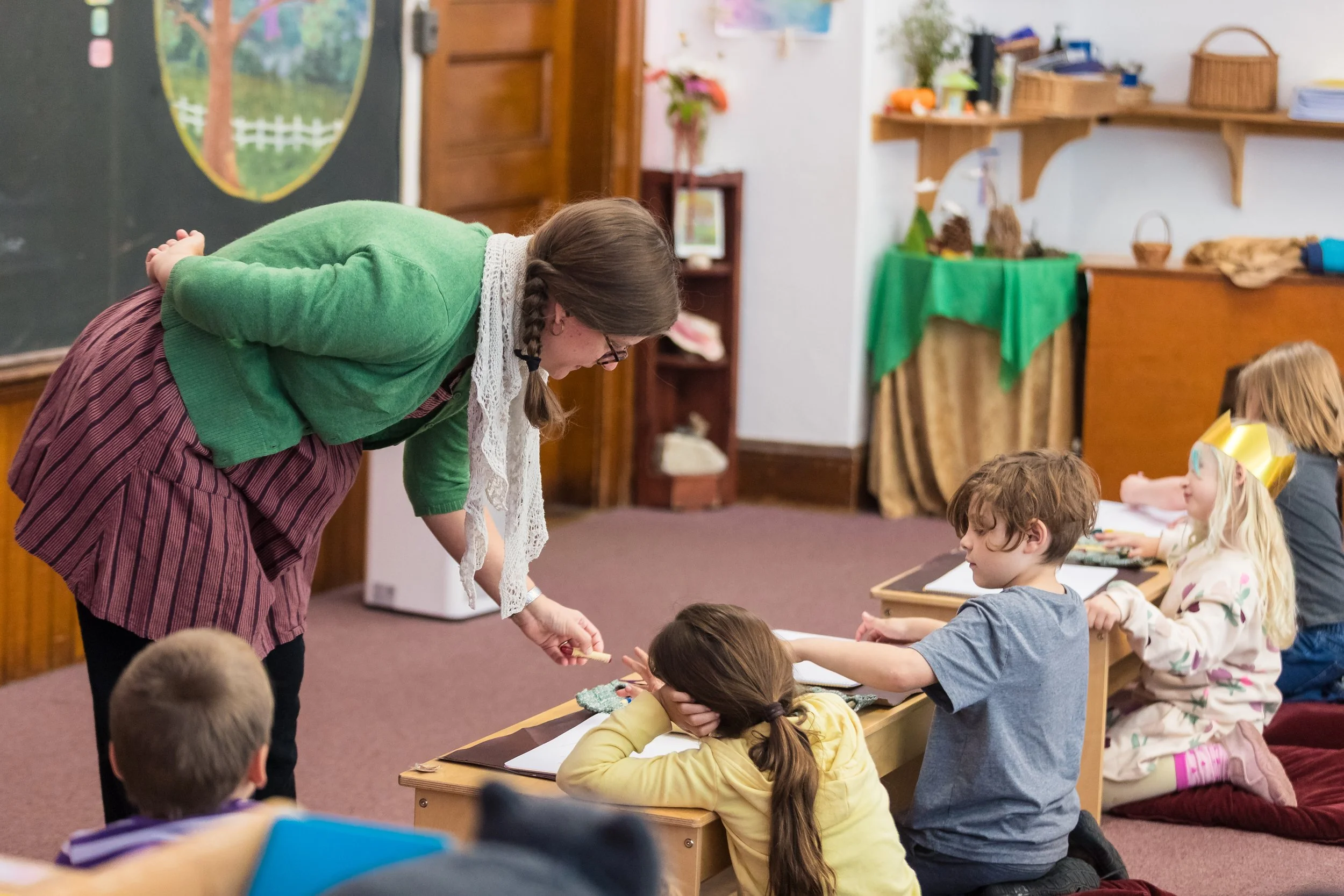
First grade builds a strong foundation through story, movement, rhythm, and art. Children learn their letters through imaginative tales, begin writing by copying familiar verses, and then read what they’ve written—making early literacy feel natural and connected.
The math work grows from the qualities of numbers, counting with movement, and simple story problems using all four operations.
Nature stories, seasonal rhythms, and daily outdoor time offer the beginnings of science.
Socially, first graders practice being part of a group—learning routines, working with classmates, and developing the habits that help a classroom feel calm, caring, and cooperative.
-
(subject to change)
Form Drawing
Language Arts: Consonants
Mathematics: Quality of Numbers
Language Arts: Vowels
Mathematics: Four Operations
Language Arts: Lower Case Letters
Nature Stories
Learning with the Natural World
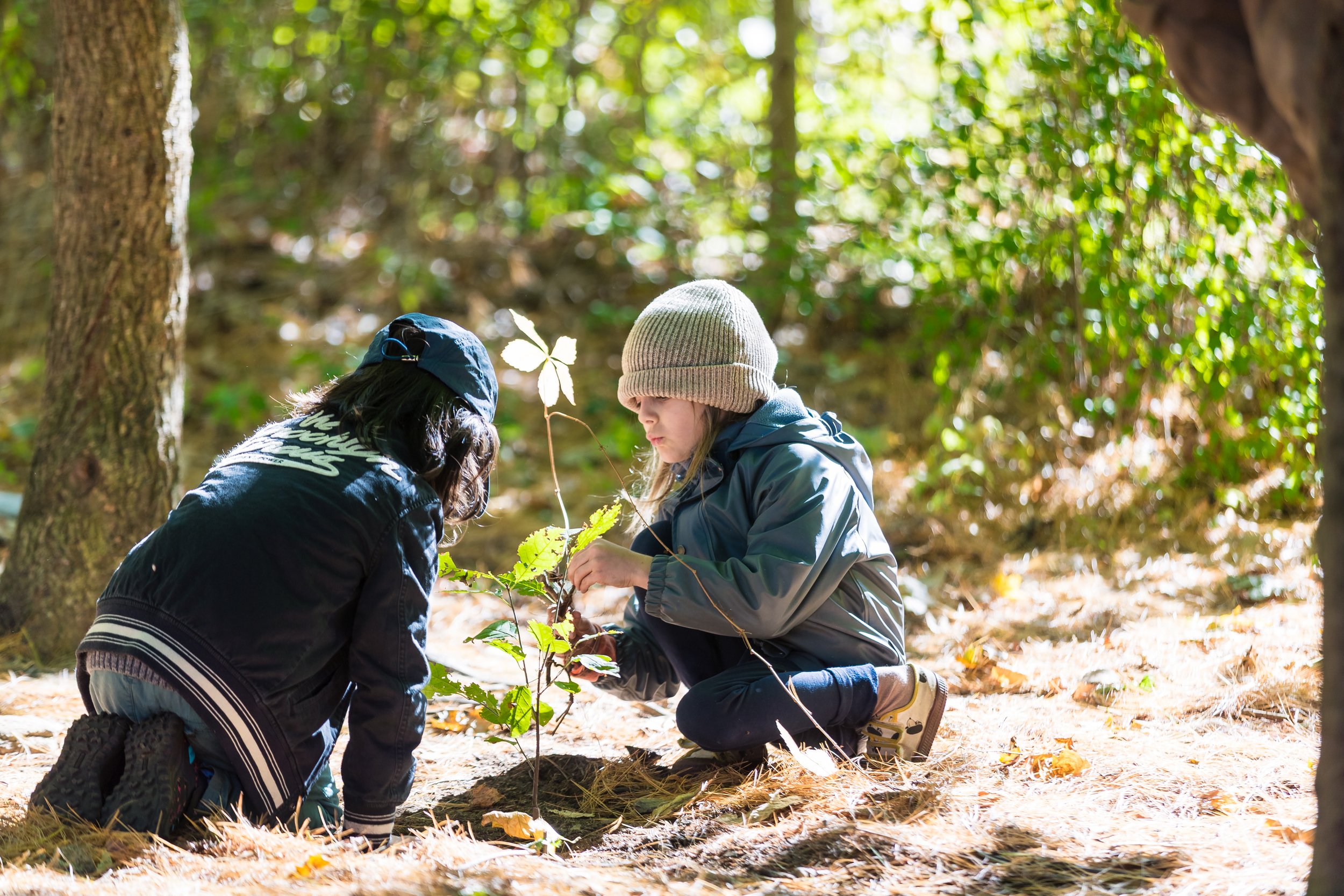
Gathering Waters children spend a great deal of time outdoors—in every season and all kinds of weather—so their first experiences of science come from the woods, gardens, and shifting seasons around them. In the early grades, stories, songs, simple traditions, and daily outdoor time help children notice what’s happening in nature. This becomes more hands-on as third graders garden, compost, and build, and as fourth and fifth graders study animals and plants through closer observation, often with drawing or small journals. For us, time outside isn’t extra—it’s how children learn to pay attention, feel at home outdoors, and understand the world beyond the classroom.
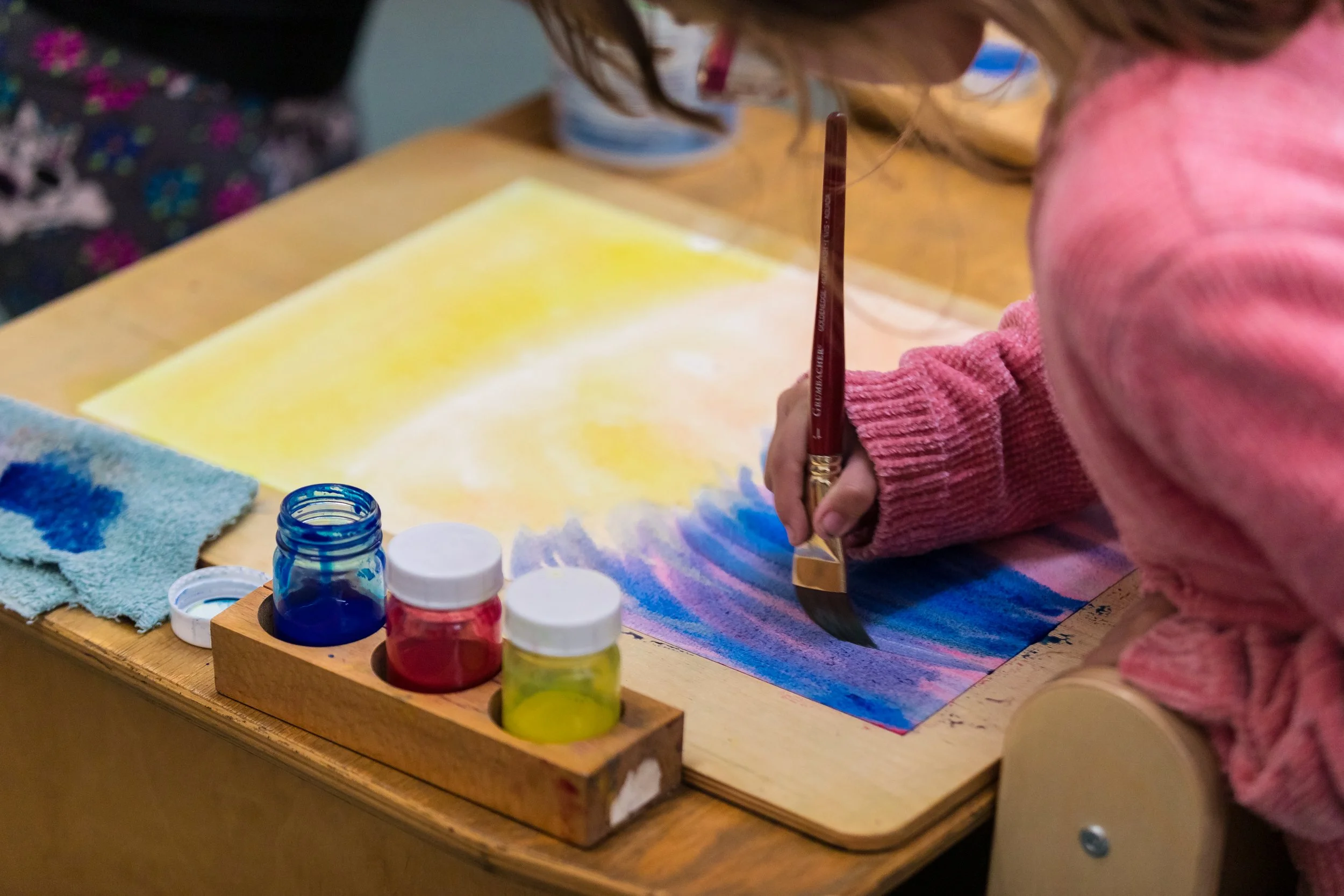
Watercolor Painting: A Gentle Beginning to Artistic Thinking
Wet-on-wet watercolor painting is used in Waldorf classrooms because it gives young children a calm, sensory way to explore color. The wet paper lets the paint move and blend, inviting children to experiment without worrying about getting things “right.” As they work, they naturally slow down, focus, and follow the mood of the colors, building attention and creativity through the experience itself. It’s a quiet, steady part of the week, where each child’s individuality can unfold, laying the foundation for a lifelong, healthy relationship with creativity.
Second Grade
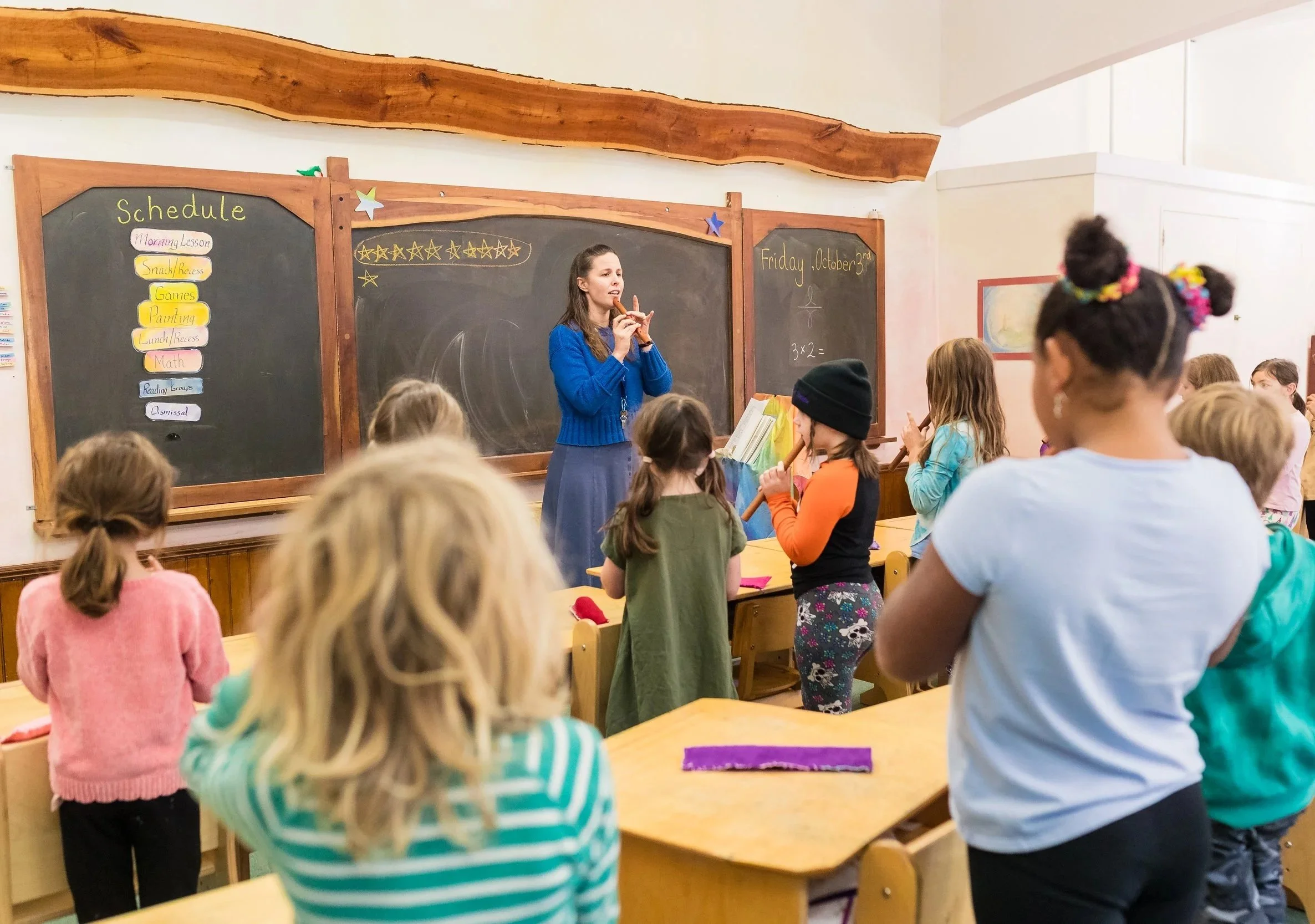
Second grade meets children in a lively, imaginative stage. Learning still flows through stories, movement, and artistic work as students take more confident steps into reading, writing, and math.
Fables, tales of kindness, and Native American stories support growing literacy skills and give children a way to explore both the gentle and mischievous sides of human nature.
In math, the year brings steady practice with addition, subtraction, early times tables, and an introduction to place value.
Science stays close to the natural world through seasonal stories, outdoor time, and simple observations that feed curiosity.
Alongside this academic growth, second graders are also learning how to participate in the classroom with more maturity by listening to others, taking turns, following directions, engaging in fair play, and greeting teachers with confidence.
-
(subject to change)
Form Drawing
Language Arts: Stories from Lives of Heroic Individuals
Mathematics: Operations & Math Facts
Language Arts: Fables
Mathematics: Place Value
Language Arts: Nature Stories
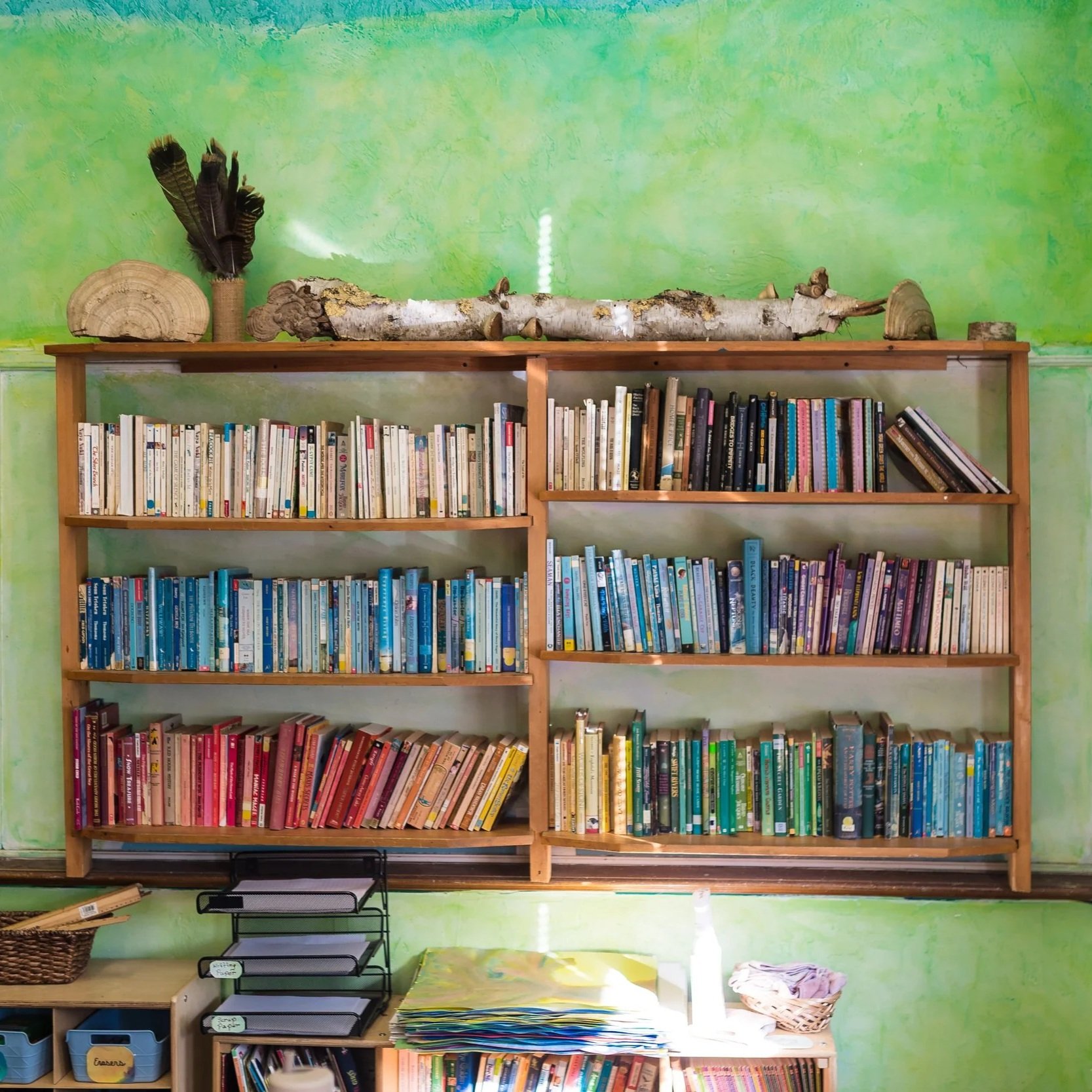
A Story-Based Literacy Journey
At Gathering Waters, reading and writing grow out of storytelling and other rich language experiences woven throughout the curriculum. Children first meet letters and words through stories, poetry, movement, and drama, so the written language feels alive and connected to real content. Phonics is taught thoroughly and systematically, always within meaningful contexts. As students progress, they work with texts that suit their stage of development—from the imaginative stories of early childhood to the biographies and history of later grades—building strong decoding skills, steady fluency, a sense of empathy, and a genuine interest in reading and writing.
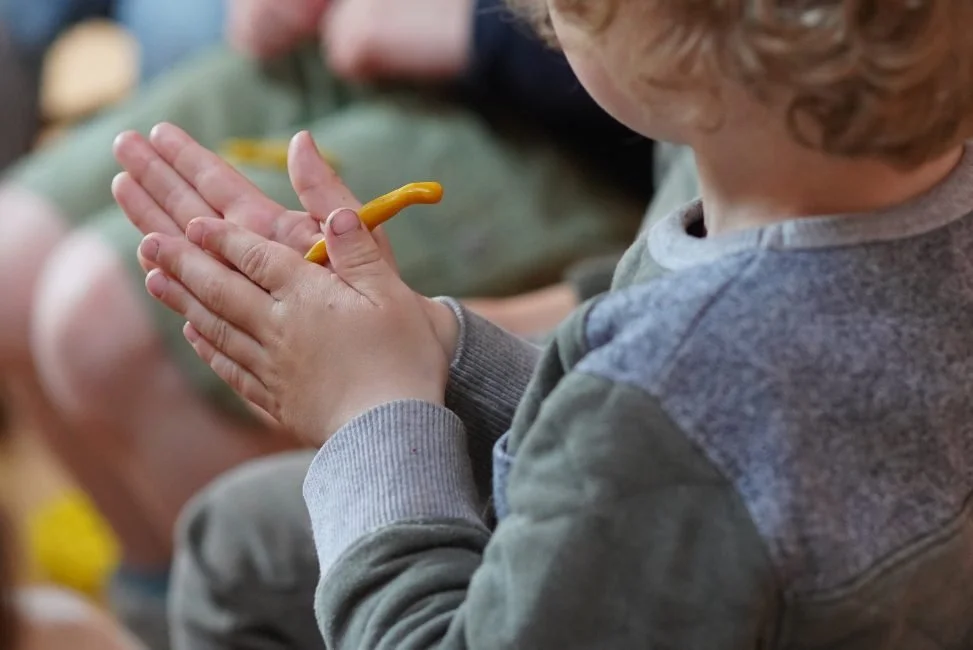
Modeling: Hands-on Work to Build Focus, Skill, and Imagination
Once a week, children work with beeswax, warming it in their hands and shaping animals, figures, and simple objects that connect to the stories and lessons of the day. The pace is calm and deliberate, giving children a chance to focus and see a form come together step by step. This kind of modeling strengthens fine-motor skills, while helping students develop steady attention, confidence in their hands, and a grounded way of engaging with what they’re learning.
Third Grade
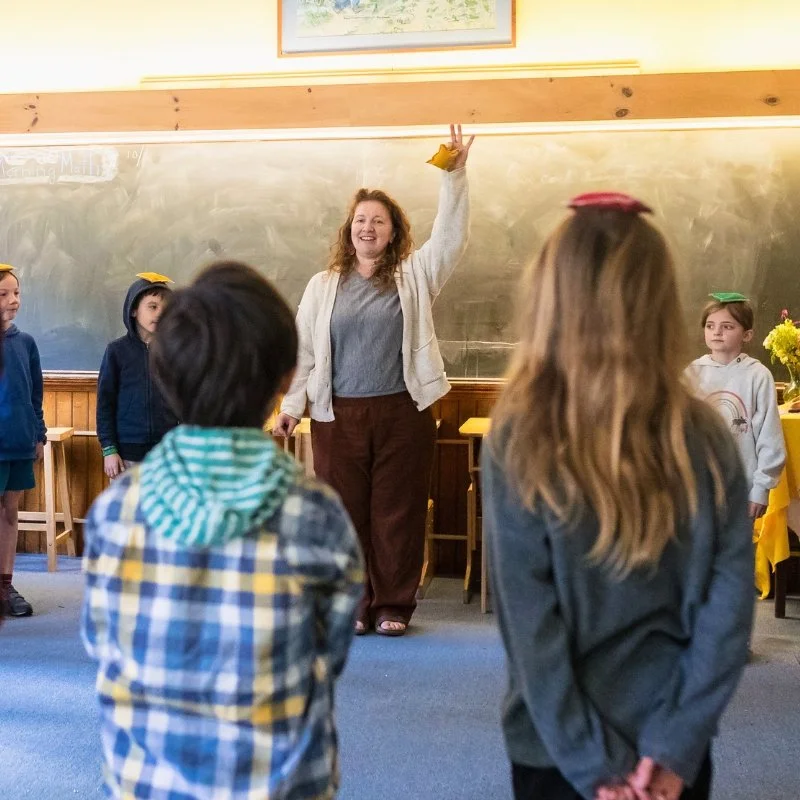
Third grade is a moment of real change—children are more aware of themselves and the wider world, and they look for grounding in work that feels real and purposeful.
Stories about people farming, building, and measuring open the door to hands-on projects like cooking, simple construction, and working with natural materials. In language arts, students move into cursive, start writing their own short pieces, and practice the basics of grammar and spelling.
Math lessons build stronger number sense through place value, measurement, and steady practice with multiplication and the four processes.
Science and social studies grow out of everyday experience—fibers, shelters, gardening, and learning how different cultures meet daily needs.
Socially, children are figuring out how to collaborate more independently, take responsibility, and bring a new confidence to shared work.
-
(subject to change)
Language Arts: Hebrew Legends
Mathematics: Review
Mathematics: Measurement & Time
Language Arts: Shelters from Around the World
Mathematics: Farming & Fibers
Nature Stories
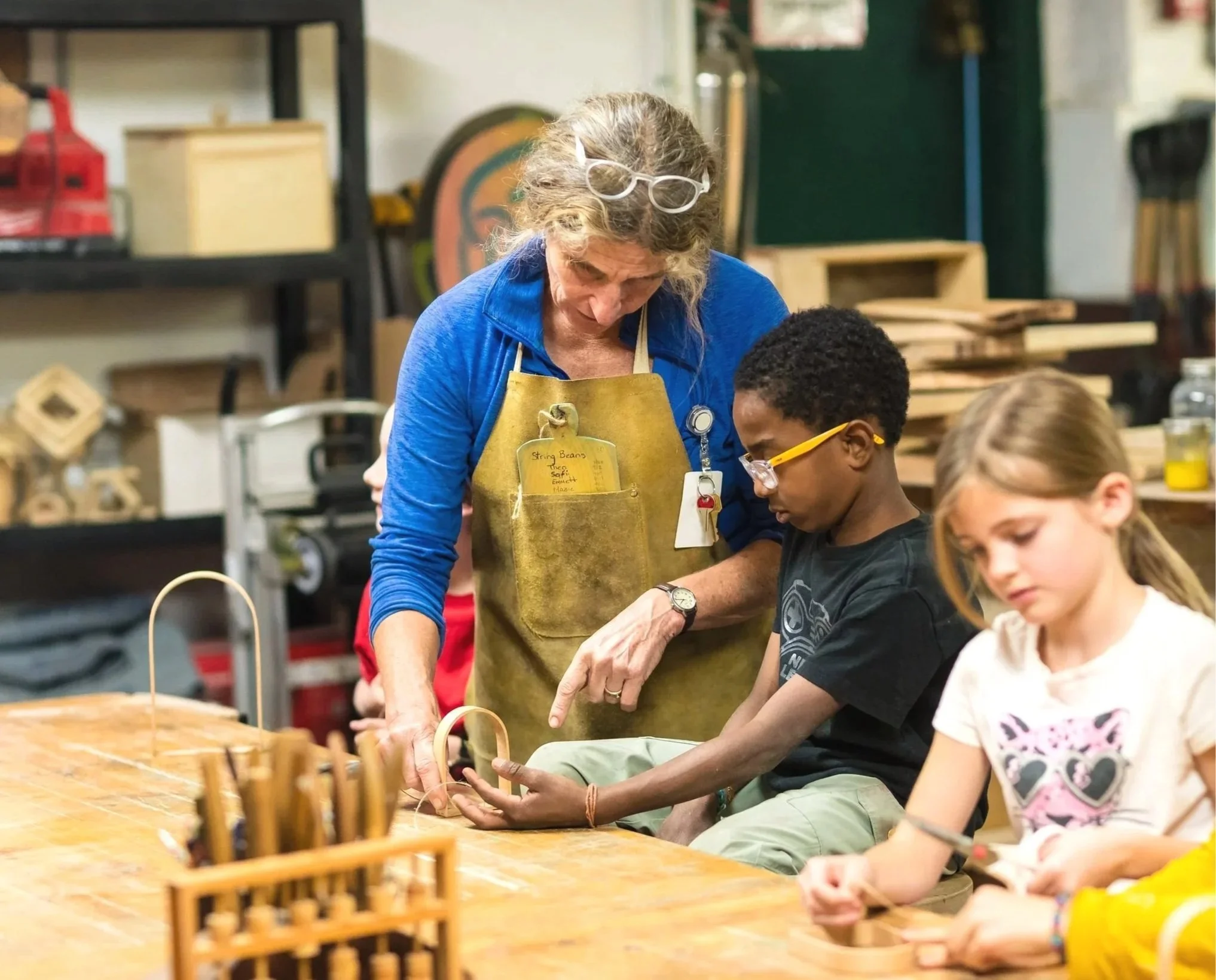
Handwork & Practical Arts
In the lower school, students spend time each week learning to make real, useful things with their hands—starting with knitting and sewing, and later adding woodworking, simple carving, or even basketry. They work with real materials like wool, cotton, wood, and reed, learning basic skills and the patience that goes along with them. Projects are chosen to be both beautiful and practical, and children begin to see how things take shape through steady effort. Along the way, they build confidence, meet challenges, and discover the quiet satisfaction of finishing something they’ve made themselves.
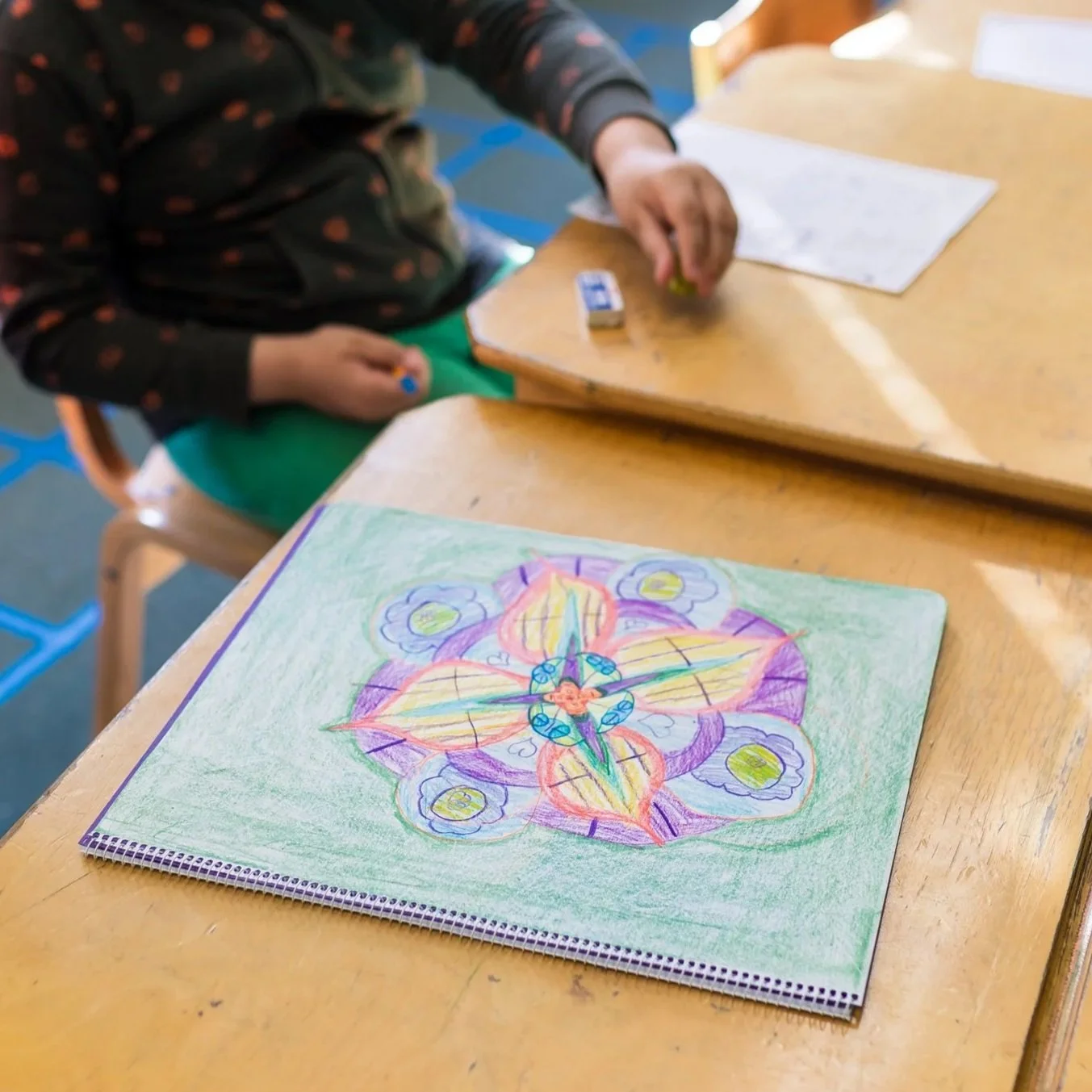
Form Drawing: How Lines & Movement Build a Foundation for Writing & Math
Form drawing is a steady part of the lower school, where children work with lines, curves, and mirrored forms that gradually become more intricate as they grow. Because the shapes are first explored through movement—walked, traced, or drawn in the air—children build a strong physical sense of direction and flow before they meet the forms on the page. This quiet practice supports coordination, spatial awareness, and focus, giving children a natural foundation for clear handwriting, early math skills, and the freehand geometry that comes in the later grades.
Fourth Grade
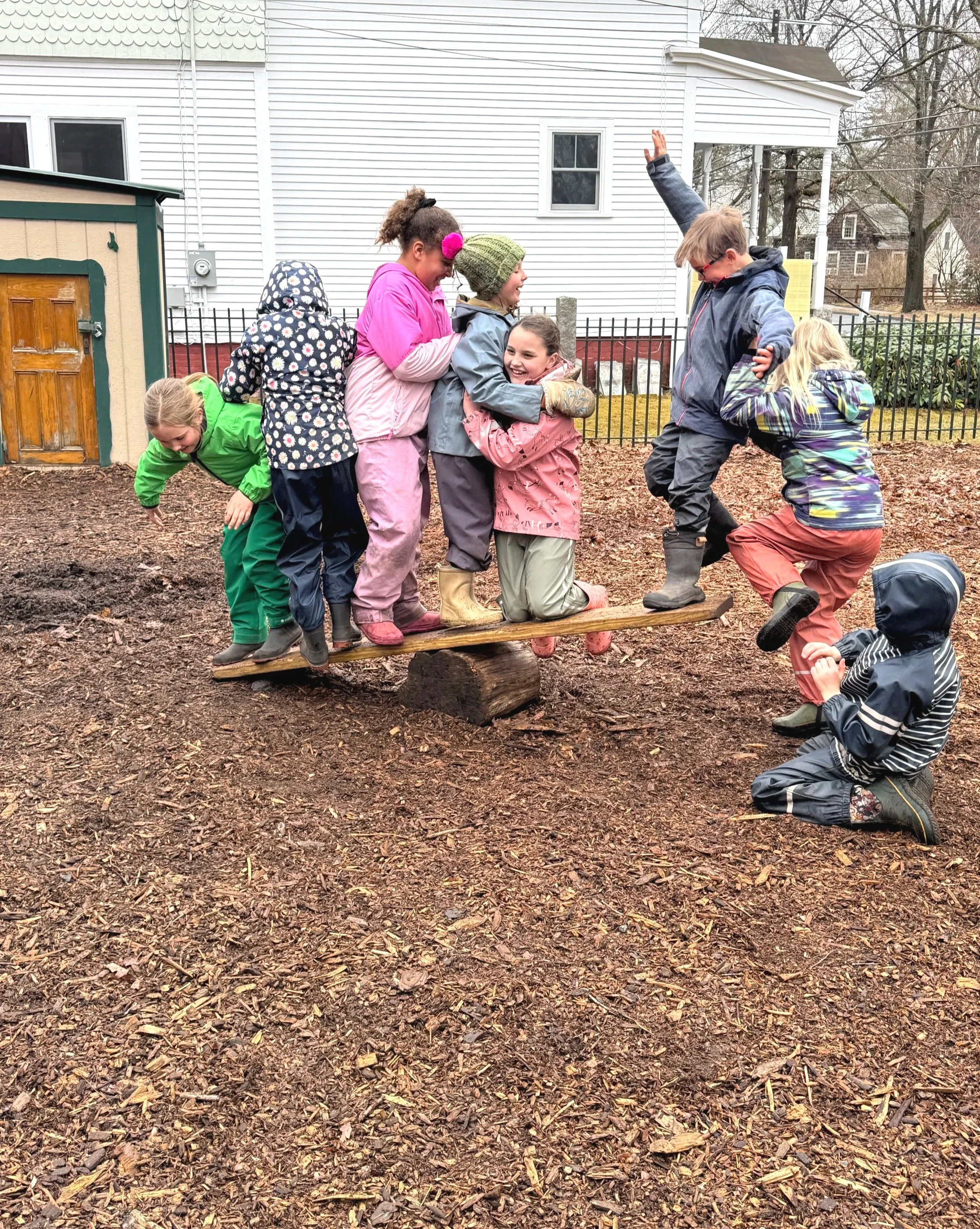
Fourth graders come into the year with a noticeable boost in confidence, curiosity, and independence, and are ready for work that stretches both their thinking and their sense of place. Norse stories, local geography, and studies of animals and humans give them engaging ways to understand how the world fits together.
In language arts, children settle into weekly silent reading, keep building their grammar skills, recite poetry with expression, and take on their first simple research project about an animal of their choosing. In math, they take on long division, multi-digit multiplication, and their first formal steps into fractions.
Science focuses on zoology, inviting children to look closely at different animals and compare what they see. Social studies grows through mapmaking and exploring how the local landscape has shaped life in our region.
Socially and emotionally, fourth graders take on more responsibility by managing their materials, completing homework, working more independently, and becoming more dependable classmates who are gentle in their words, fair in their actions, and thoughtful with friends.
-
(subject to change)
Mathematics: Review & Long Division
Language Arts: Norse Mythology
Mathematics: Fractions
Language Arts: Human and Animal
Local Geography
Growing Together Through Music
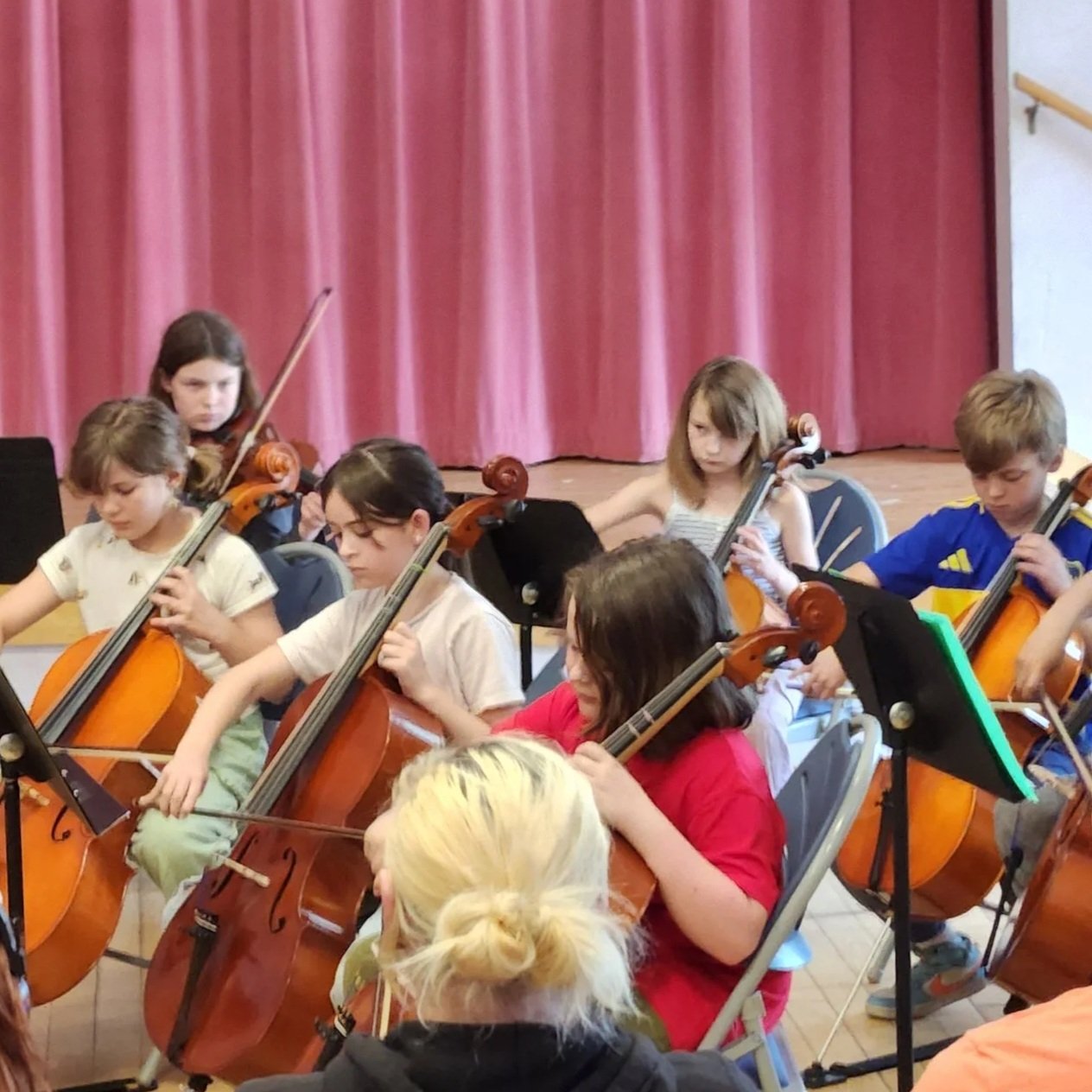
In the mornings, the halls of Gathering Waters often fill with children’s singing, setting a warm rhythm for the day. Music begins simply, with songs and flute melodies learned by listening, moving, and following along. As students grow, their singing becomes more expressive, and the class learns to play together with a blended sound. When ready, the recorder is introduced and rounds become part of daily singing. By fourth grade, students begin reading music and join weekly strings. In fifth grade, the work deepens with richer choral pieces, recorder work, and strings that build steadily on the foundation of the earlier years.
Movement: Encouraging Balance, Awareness, & Ease
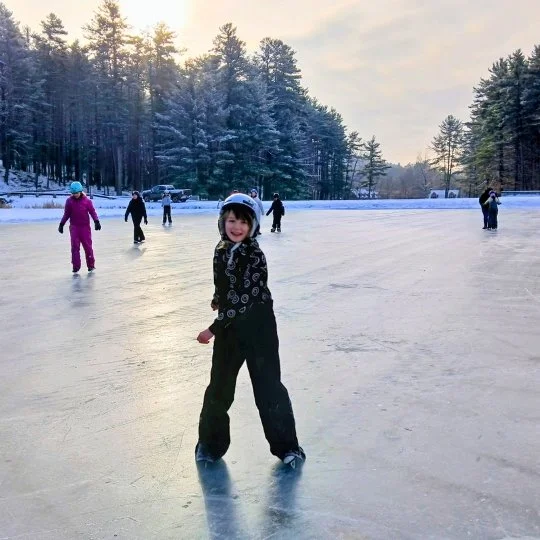
In the early grades, lively movement is part of everyday life. Circle games, skipping patterns, clapping rhythms, and imaginative play help build balance, coordination, and a natural sense of rhythm. These experiences also support skills used in the classroom, such as spatial awareness for reading and writing, steadier focus, and ease in working with others. In the later grades, movement classes bring more structure and teamwork, giving students room to practice cooperation, fairness, and healthy challenge—while having fun!
Fifth Grade
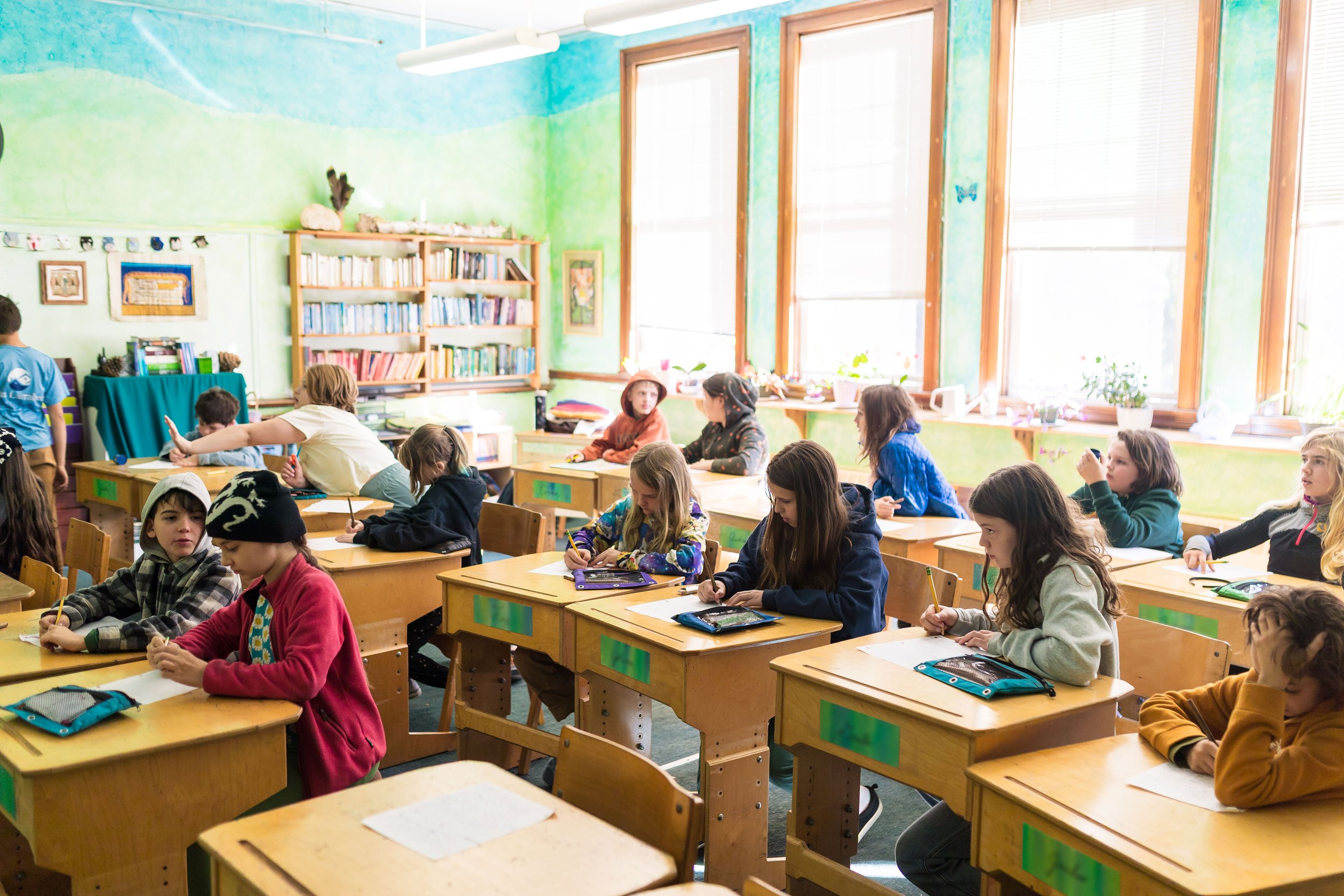
Fifth graders step into a year of growing balance and confidence. They explore the ancient worlds of India, Persia, Egypt, and Greece through geography, mythology, and cultural studies, while also learning about the regions and peoples of North America.
Language arts expands through regular composition, detailed grammar work, weekly spelling and vocabulary, and shared class literature. Students read more independently, practice summarizing, and begin simple research.
In math, fifth graders take on decimals, more complex fractions, and multi-step problem solving, and dive into creative geometry through freehand exploration of angles, perimeter, and area.
Science centers on botany and connecting new understanding to local landscapes through outdoor observations, journaling, and main lesson summaries.
The year also brings more responsibility as students manage homework more reliably, speak with growing confidence, support classmates in group projects, and bring a capable, positive spirit to their work and community.
-
(subject to change)
Botany
Ancient Civilizations: India, Persia, Egypt and Mesopotamia
North American Geography
Mathematics: Review & Decimals
Greek Mythology
Ancient Greek History
Freehand Geometry
“Gathering Waters has been a transformative experience for my child. The hands-on, nature-based learning has reignited a love for learning that traditional classrooms couldn’t provide.”
— Lauren H., Parent
TRANSITION TO SIXTH GRADE
Middle School: Building on a Strong Foundation
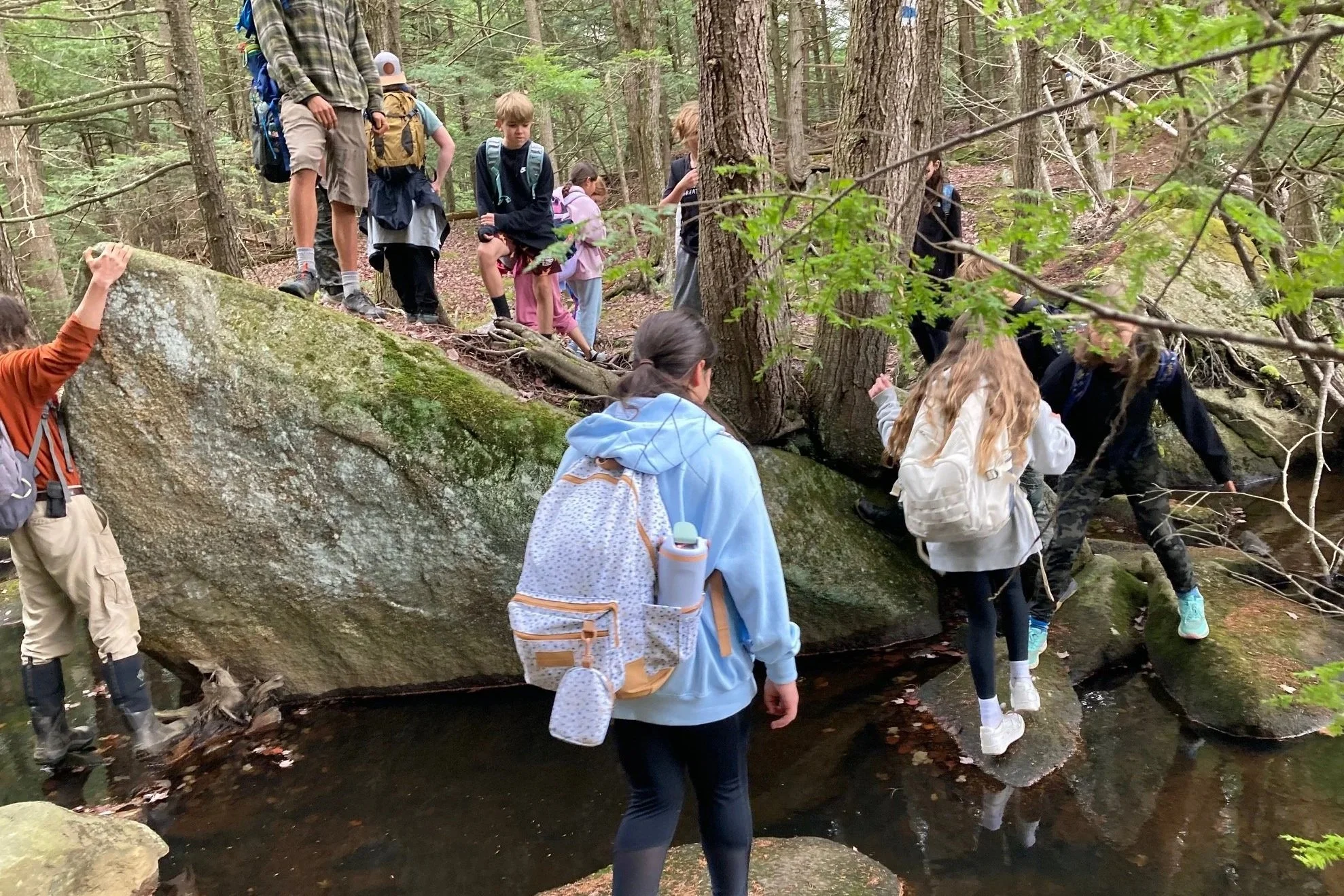
The end of fifth grade marks a natural bridge from the guided rhythm of the lower grades to the growing independence of middle school. Students head into sixth grade with strong foundations, curiosity, and an appetite for new subjects, bigger projects, and the chance to take more ownership of their learning. It’s an exciting moment—a sense that their world is expanding and they’re ready for what comes next.