
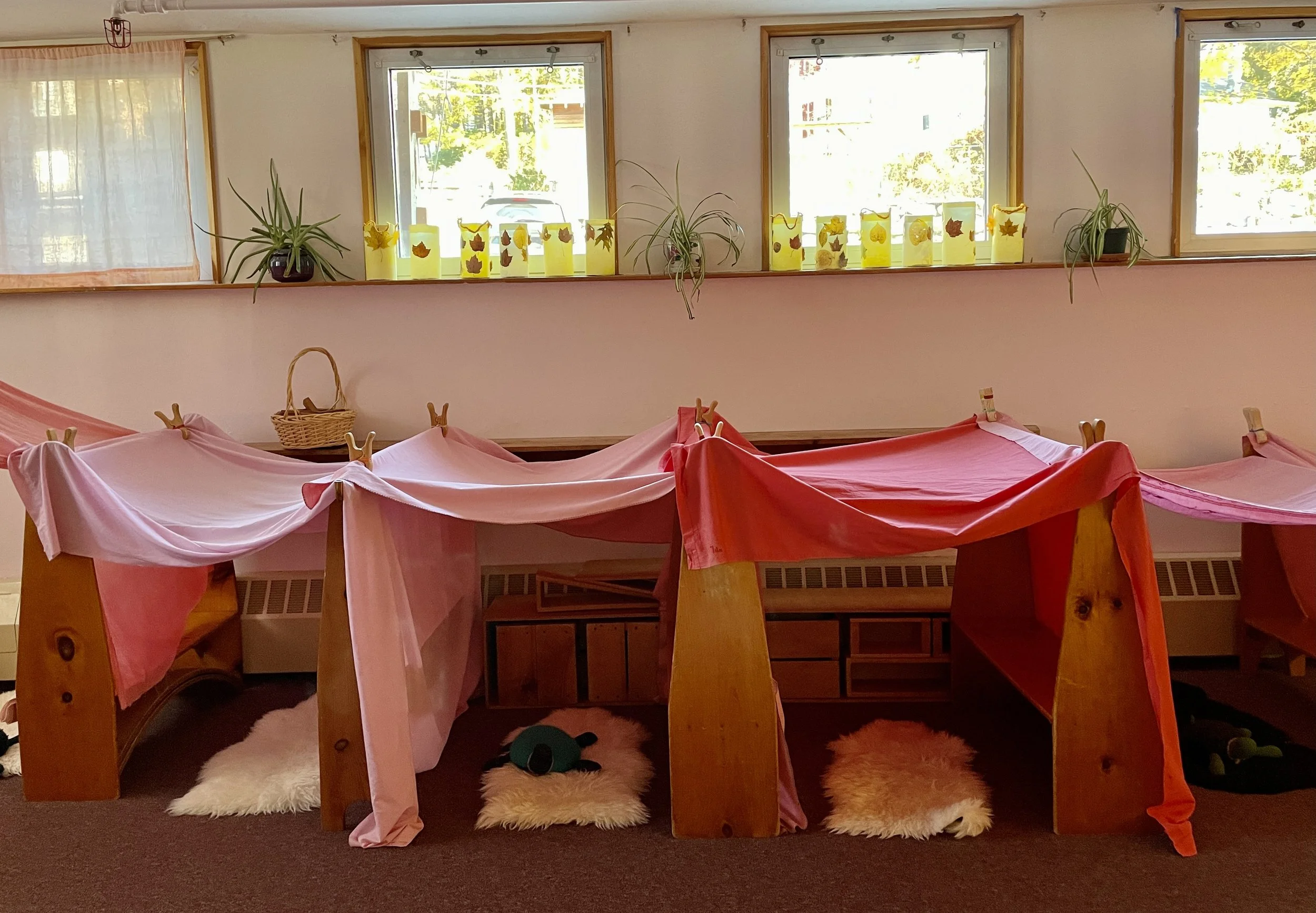
Learning through play in a world of warmth and wonder
K–12 EXPERIENCE
KINDERGARTEN
LOWER SCHOOL (1–5)
MIDDLE SCHOOL (6–8)
HIGH SCHOOL (9–12)
COLLEGE & BEYOND
FESTIVALS
Gathering Waters Kindergarten is a warm, joyful place where young children can settle in, explore, and grow at their own rhythm. Through purposeful work, lively movement, stories, and song, the children follow their natural curiosity while building the creative, social, and developmental foundations that support a happy transition into the grades and beyond.
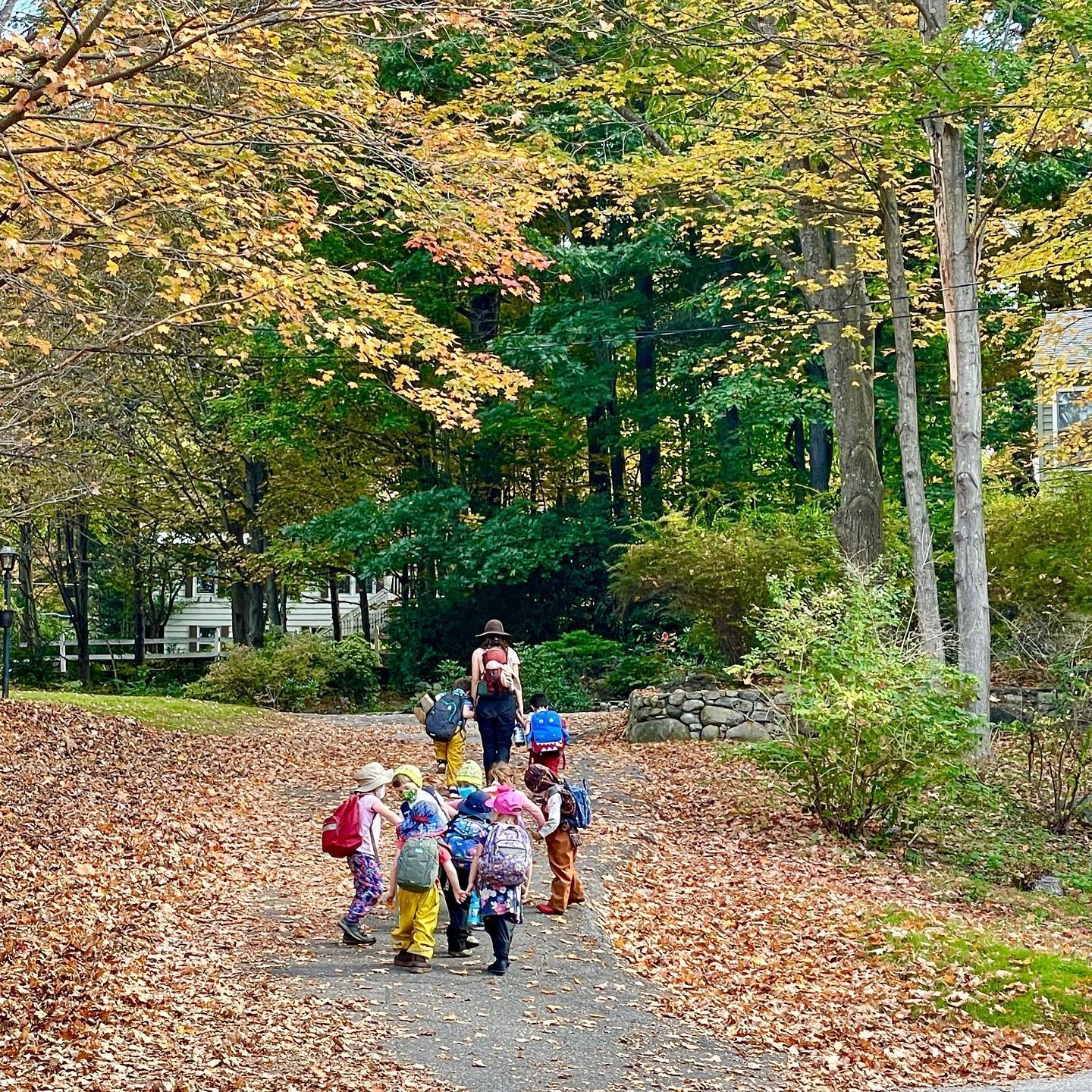
Sharing Stories, Songs & Imagination
Through poetry, movement, and tales told slowly and with repetition, children strengthen language, memory, and early attention, while also learning to listen, participate, and feel part of a group. These shared moments gently lay the groundwork for later literacy and a love of language.
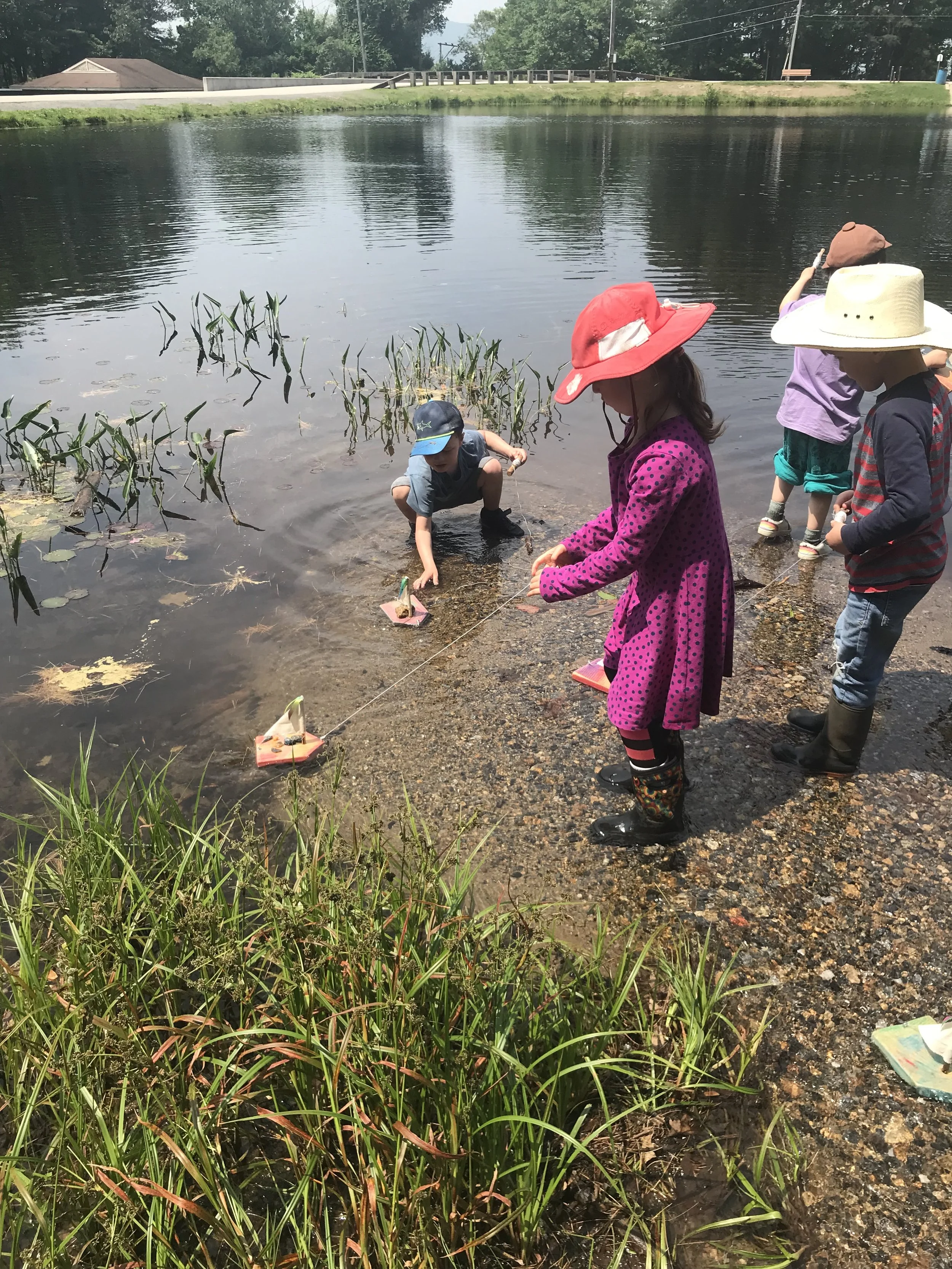
Finding Rhythm in the Seasons
A predictable daily and seasonal rhythm helps children feel secure as they grow. Outdoor play, gardening, caring for plants and animals, and simple nature walks connect them with the world around them. Festivals and seasonal celebrations deepen this relationship, giving children a sense of wonder and belonging.
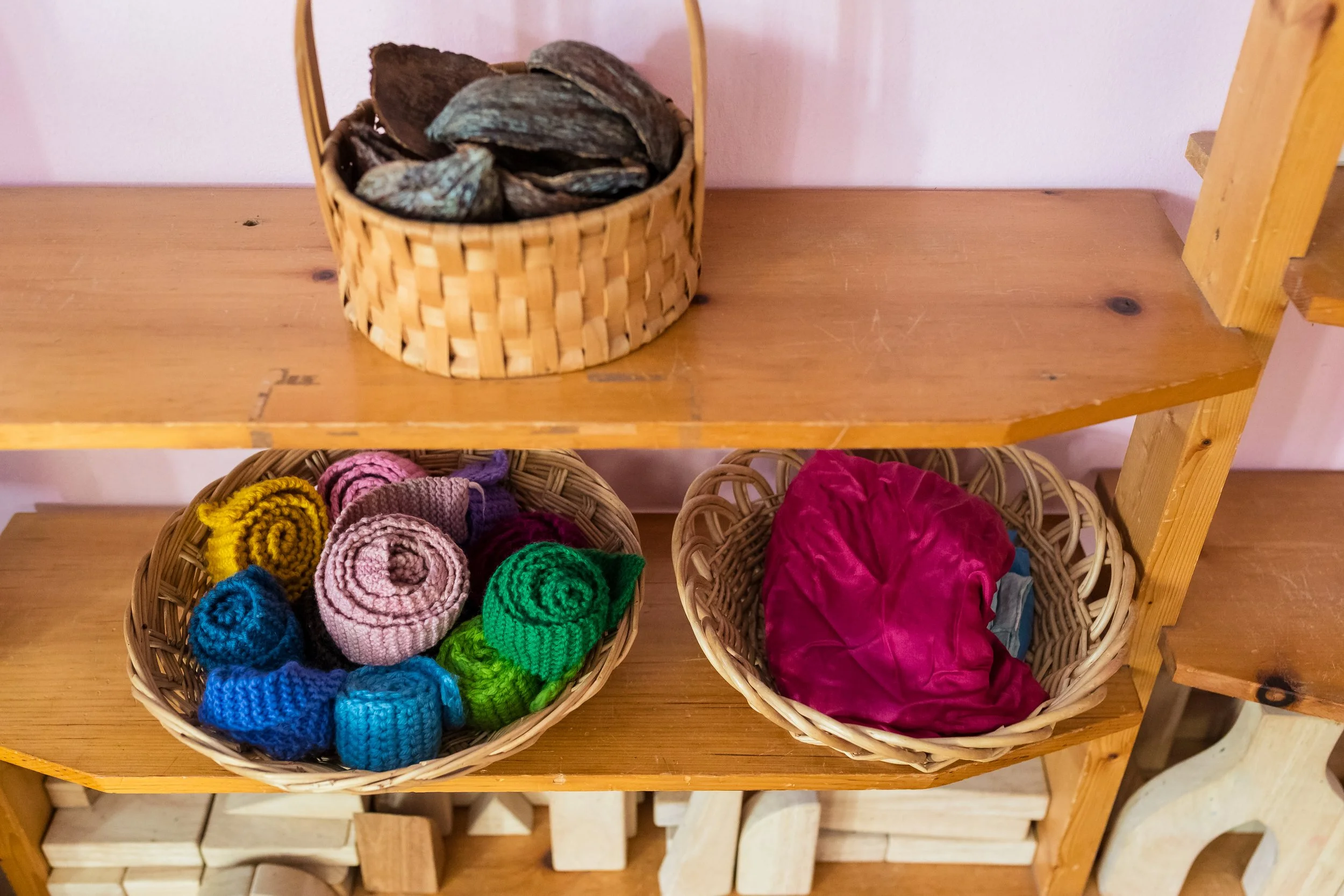
Creative Exploration through Art & Handwork
Handwork and painting offer children quiet, focused moments in the day. Wet-on-wet watercolor painting, beeswax modeling, finger knitting, simple sewing projects, and nature crafts strengthen fine motor skills while nurturing imagination and a sense of beauty. Through these artistic processes, children build patience, coordination, and confidence.
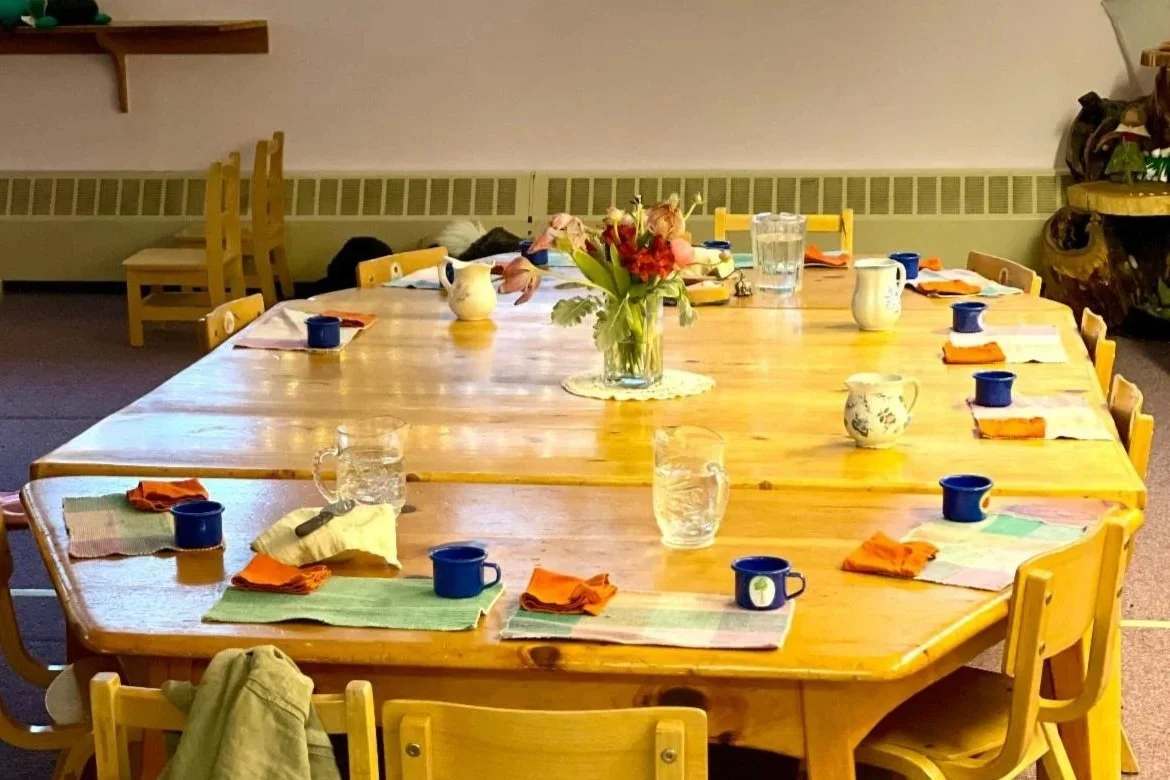
Caring for Our Classroom Home
The kindergarten day includes many kinds of purposeful work such as baking, tidying, sewing, helping with meals, and tending the classroom together. These simple tasks help children contribute to a shared space, practice cooperation, and explore early math and science through real-life activity. In this warm, predictable environment, the classroom becomes a place the children care for and feel part of.
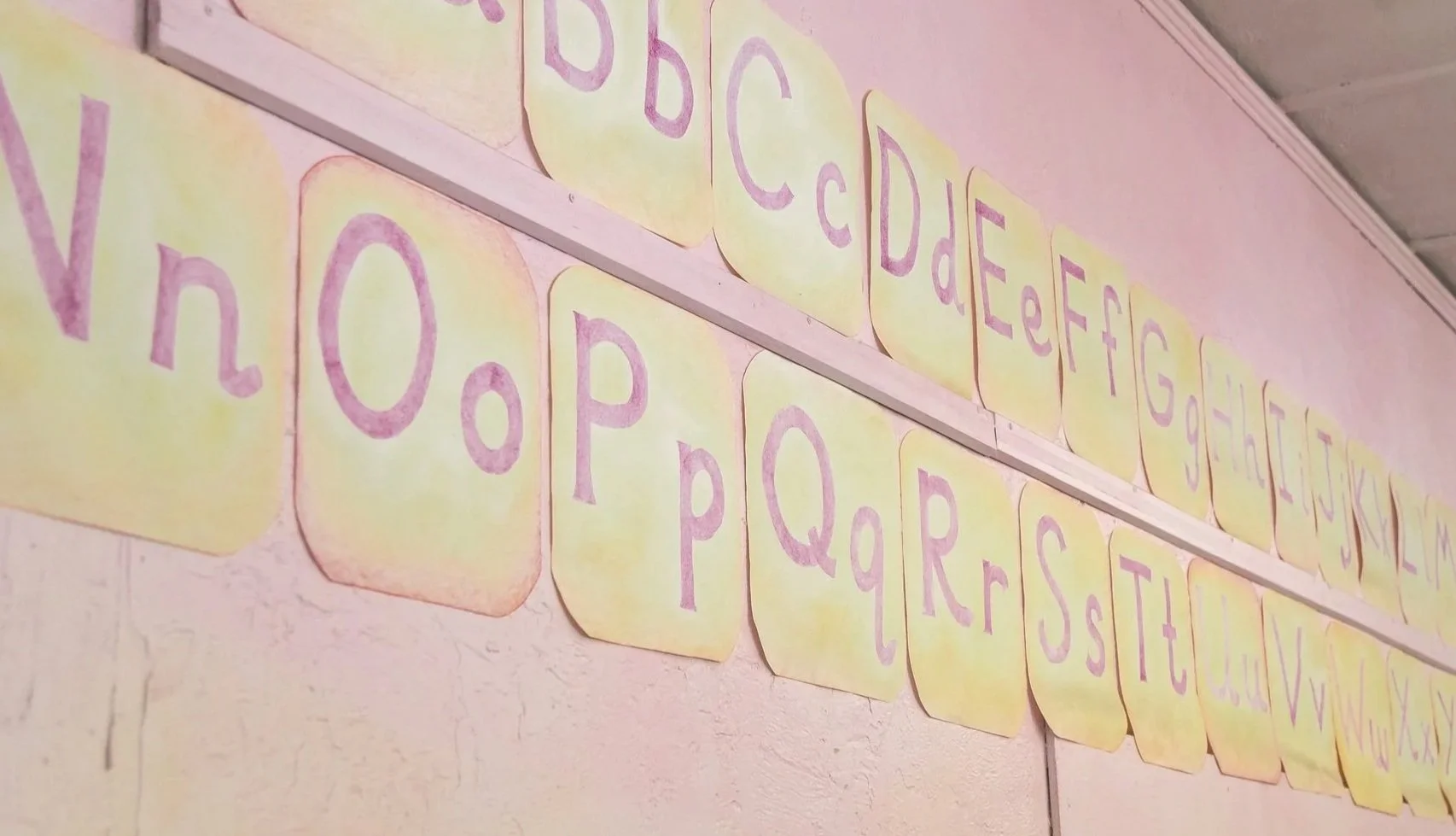
Growing Toward First Grade
Readiness for first grade develops naturally through play, movement, social growth, and rising confidence in daily routines. Teachers observe each child closely, supporting new skills without hurry. When the time is right, children step forward having developed the foundation—physically, socially, and imaginatively—that prepares them for the next stage of school.
Kindergarten Learning Foundations
-
The kindergarten curriculum is rooted in rich oral language. Through daily circle time—songs, verses, poetry, finger games, and purposeful movement—children build fluency, vocabulary, phonemic awareness, attention, and imagination. Teachers tell stories with complex language and repeating story arcs, sharing them over several days to support deep comprehension. New stories and circles follow the seasons, classroom activities, and the needs of the children. Conversation skills are modeled throughout meals, play, and group time.
By the end of kindergarten, students are typically able to:
• Speak in full, coherent sentences
• Use and understand a broad vocabulary
• Listen to and retell stories
• Recite poems, verses, and songs with movement
• Engage with books through exploration and read-alouds -
In kindergarten, math is discovered through hands-on play and real-life experiences. Cooking and baking build early measurement skills, while block play and building foster spatial awareness, balance, and early engineering concepts. Imaginative play gives children natural opportunities to count, compare, sort, and develop number sense. Circle time, music, and movement reinforce patterns, rhythm, and repetition—key foundations for later math learning.
By the end of kindergarten, children typically:
• Understand that numbers represent meaningful quantities
• Create and recognize patterns in music, art, manipulatives, and play
• Explore shapes and simple geometric forms through movement and art
• Count for practical purposes
• Notice comparisons such as more/less and bigger/smaller
• Measure using everyday objects and spatial awareness -
Kindergartners build a natural sense of wonder and curiosity through frequent, genuine experiences with the seasons, weather, plants, animals, and the living world around them. Daily interactions—gardening, nature walks, outdoor play, and observing the environment—help children feel connected to nature and lay the foundation for later scientific understanding and stewardship.
Cooking, baking, and simple fermentation offer early, hands-on experiences with chemistry, while stories nurture an imaginative grasp of natural processes and animal and human behavior. Through these activities, children gain familiarity with basic science concepts while keeping their sense of wonder alive.
-
In kindergarten, social studies is experienced through stories, songs, celebrations, and daily life in the classroom. Children build an early sense of belonging and an appreciation for the wider world as they encounter traditions from many cultures and hear stories that offer gentle “mirrors” of themselves and “windows” into the lives of others. These imaginative, human-centered experiences help nurture empathy, curiosity, and an early understanding of community.
Spanish is introduced in the same spirit—through playful songs, verses, and puppetry that invite children to absorb the sounds and rhythms of a new language. This joyful exposure helps them feel at home in a diverse and interconnected world.
-
Music flows naturally through the kindergarten day—songs greet transitions, brighten routines, tell stories, and help children feel grounded and joyful. Through repetition and modeling, children learn songs by heart, while also having many chances to improvise, play, and make music of their own.
Artistic activity is woven just as deeply into daily life. Children paint, draw with beeswax crayons, sew, finger knit, felt wool, work with natural materials, and shape beeswax or dough. These hands-on experiences strengthen motor skills, support imaginative thinking, and help children express their inner world. By creating simple, beautiful, and purposeful things, they build confidence, care, and a sense of themselves as makers.
-
In kindergarten, children build the physical strength, coordination, and sensory integration that support all later learning. The day is filled with movement and hands-on activities—circle games, free play, painting, coloring, sewing, cooking, and practical work—that help the body and senses develop in healthy ways. Core strength, balance, and the integration of primitive reflexes are gently supported to prepare children for first grade, while fine-motor skills like grip, hand strength, and hand-eye coordination naturally grow through purposeful, meaningful activity.
-
Kindergarten is a safe, nurturing, and joyful environment where children learn how to be in community. With guidance from their teachers, they practice communication, cooperation, empathy, and the early foundations of personal and collective responsibility. As the year unfolds, children move through important developmental transitions—gaining a stronger sense of self, greater awareness of others, and the ability to navigate friendships and feelings with more independence.
Play, movement, and daily rhythms give children many chances to practice social problem-solving, manage emotions, and participate in group life. Ample physical activity supports sensory integration and self-regulation, helping children develop the attention, self-control, and body awareness needed for first grade. Inclusive, responsive practices ensure every child feels respected and ready to take the next step in their learning.
“The teachers lead with such kindness and care, meeting each child where they are and helping them grow in confidence and curiosity… We’re so grateful for a community that honors childhood, nurtures imagination, and helps our children feel both grounded and inspired.”
– Sadie G.S., Parent
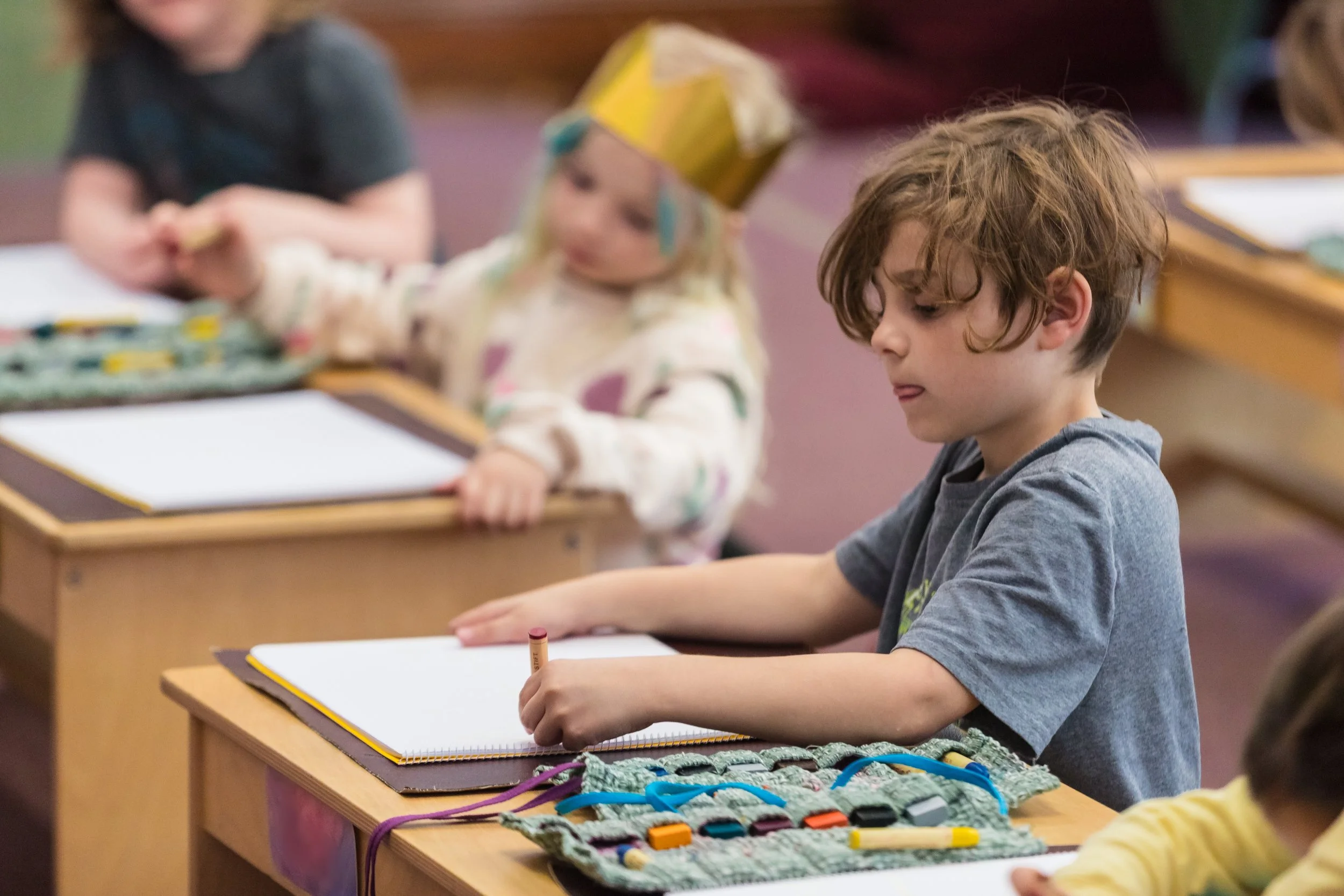
When Children Are Ready for First Grade
TRANSITION TO ELEMENTARY GRADES
First grade marks an important step in a child’s school life. When a child is ready, this transition grows naturally out of their kindergarten experience—many familiar parts of the day remain, while new rhythms, habits, and expectations gradually unfold. The class teacher helps ease this shift with patience and warmth, giving children time to settle in and feel comfortable in the life of the first-grade classroom.