

Getting to know public Waldorf education
ABOUT
PUBLIC WALDORF EDUCATION
OUR CAMPUSES
FACULTY & STAFF
BOARD OF TRUSTEES
EMPLOYMENT
Gathering Waters is proud to be an Initiative Member of the Alliance for Public Waldorf Education. As part of this network, we are committed to the seven Core Principles that guide Public Waldorf education and keep it evolving through research, practice, and active reflection. Guided by these principles—and adapted for public education through the Alliance—our curriculum brings the heart of Waldorf into a fully accessible public school setting.
An Accessible K–12 Waldorf-inspired Education for the Monadnock Region
OUR MISSION
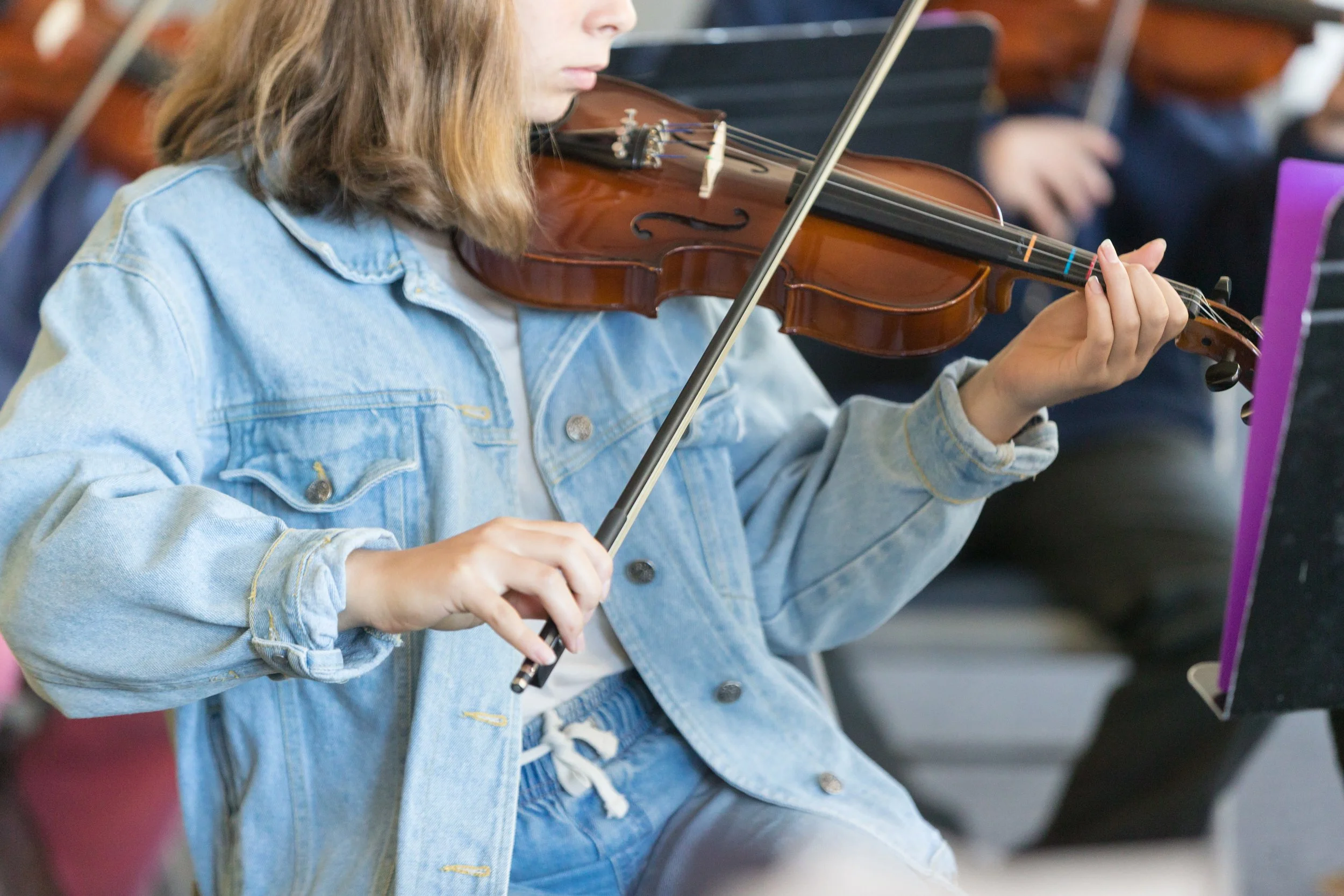
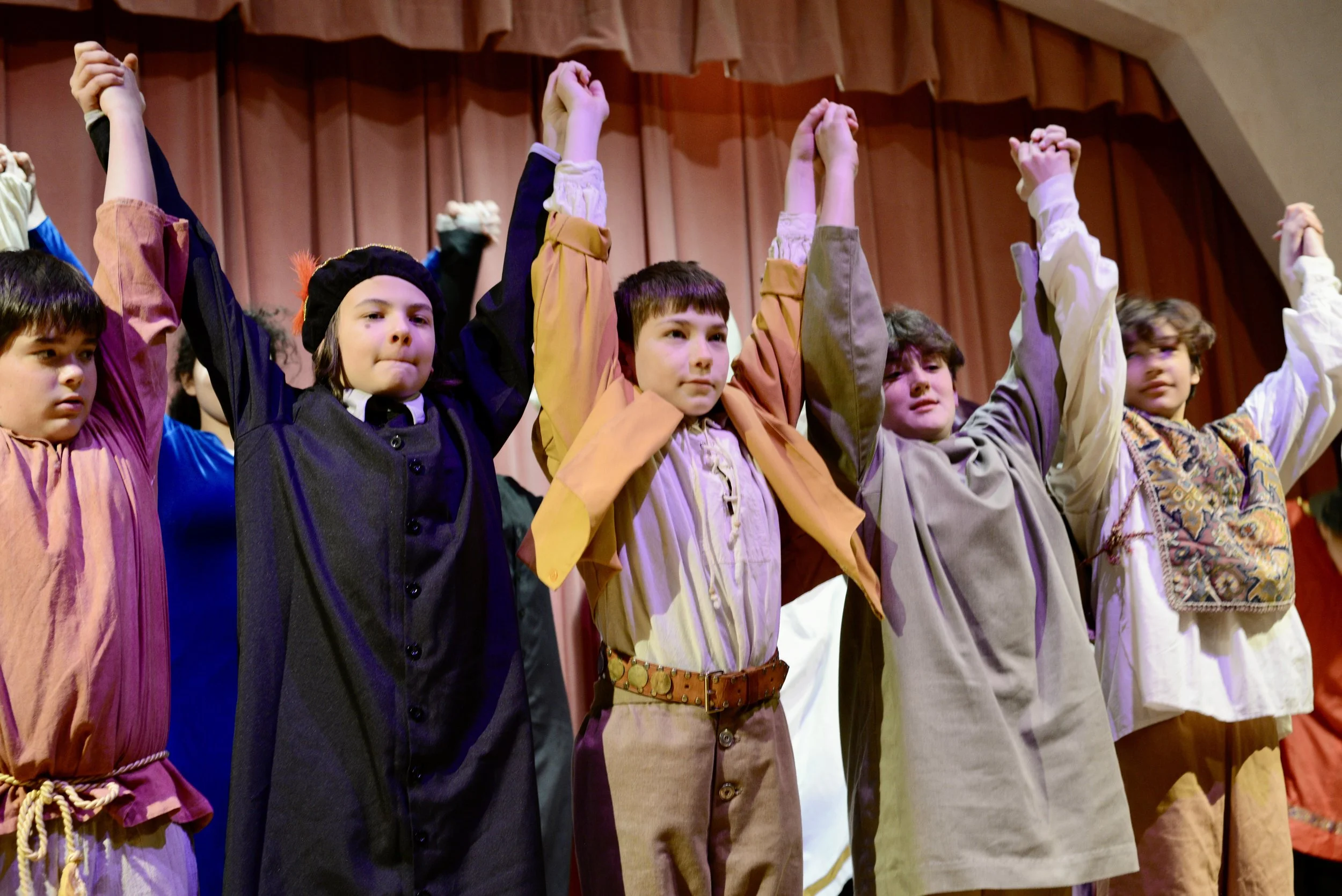
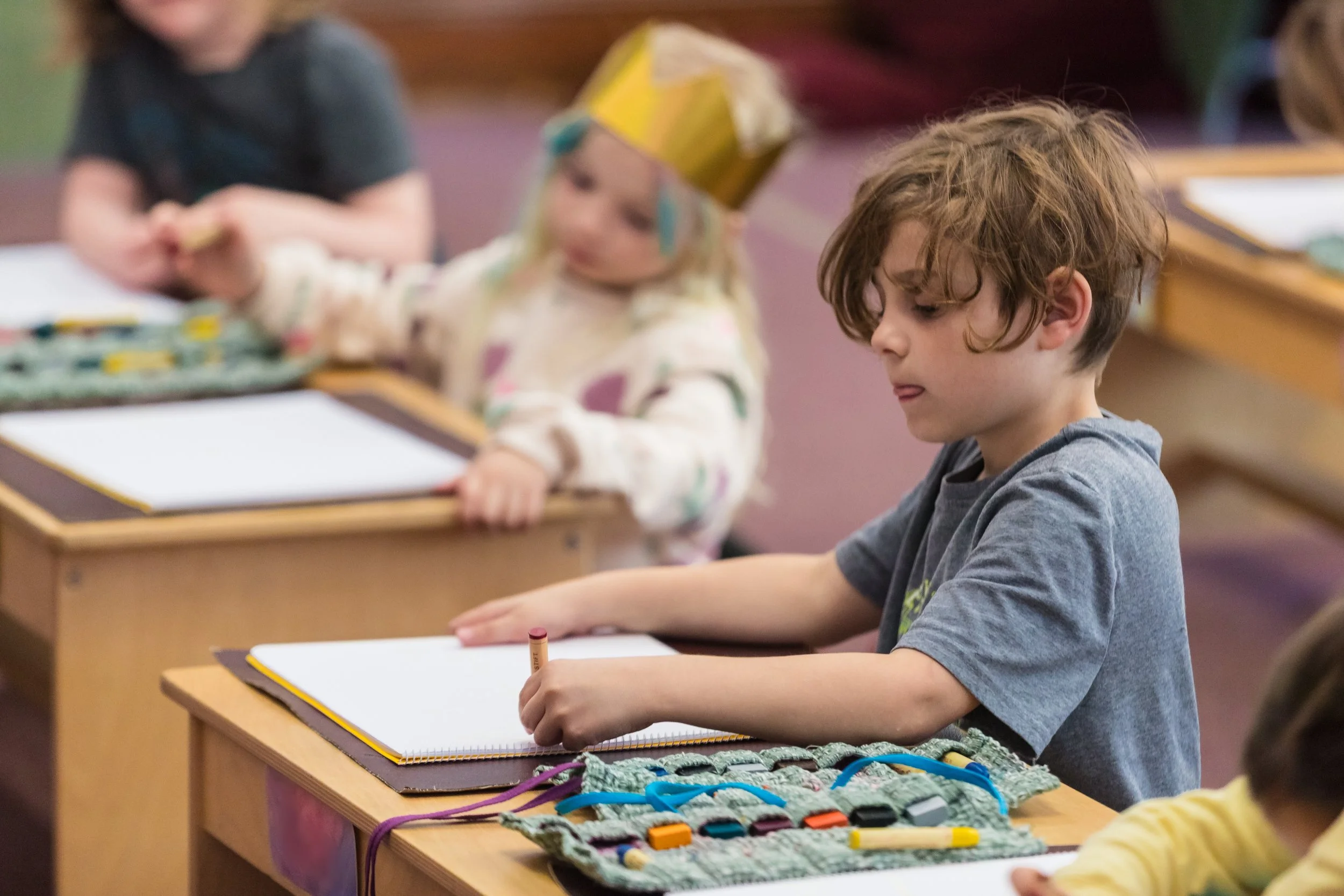
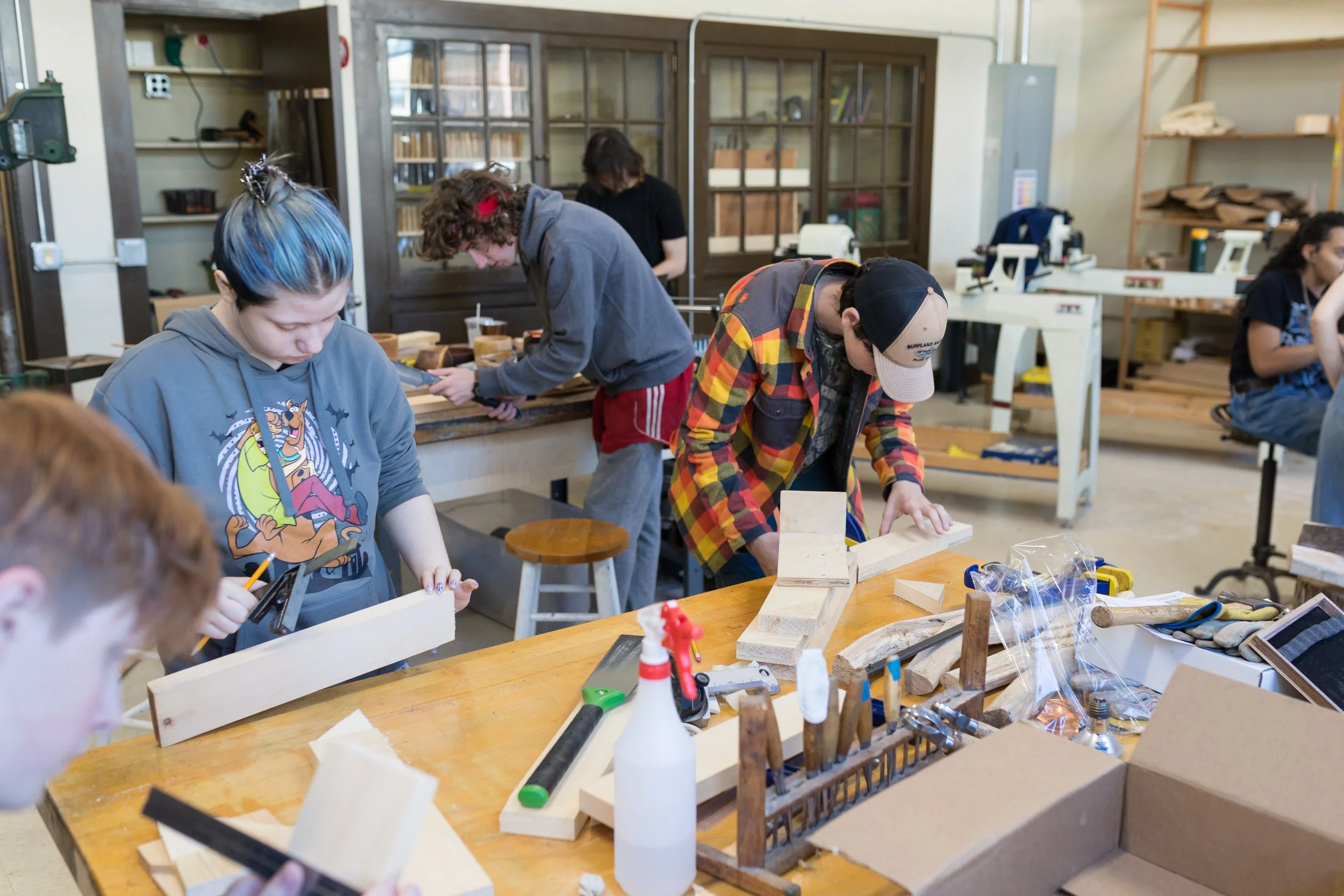
Gathering Waters Chartered Public School provides students in the Monadnock region with a rigorous, hands-on education that builds knowledge, skills, and character. Through an integrated curriculum that includes the arts, practical work, outdoor learning, and community service, students discover their strengths, engage with the world around them, and develop the foundation for lifelong learning, civic responsibility, and environmental stewardship.
OUR VISION
We strive to build an inclusive school culture grounded in respect, accountability, and purposeful learning. Our students gain the confidence, adaptability, and problem-solving skills needed to contribute meaningfully, ethically and effectively in their communities and beyond.
Our Commitment to the Seven Core Principles of Public Waldorf Education
-
Public Waldorf education is founded on a coherent image of the developing human being.
Each human being is a unique individual who brings specific gifts, creative potential, and intentions to this life. Public Waldorf education addresses multiple aspects of the developing child including the physical, emotional, intellectual, social, cultural, moral, and spiritual. Through this, each child is helped to integrate into a maturing whole, able to determine a unique path through life.
Rudolf Steiner’s educational insights are seen as a primary, but not exclusive, source of guidance for an understanding of the image of the human being.
-
An understanding of child development guides all aspects of the educational program, to the greatest extent possible within established legal mandates.
Human development proceeds in approximate 7-year phases. Each phase has characteristic physical, emotional, and cognitive dimensions and a primary learning orientation.
The Public Waldorf educational program, including the curriculum, teaching methodologies, and assessment methods, work with this understanding of human development to address the needs of the individual and the class in order to support comprehensive learning and healthy, balanced development.
Our developmental perspective informs how state and federal mandates, including curriculum sequence, standardized testing, and college and career readiness, are met.
-
Public Waldorf schools seek to be agents of positive social change through the development of each individual and through the community life of the school.
At the individual level, Public Waldorf education seeks to offer the most supportive conditions possible for the development of each student’s unique capacities to engender positive social change. Such capacities include:
A harmonious relationship between thinking, feeling, and willing;
Self-awareness and social competence;
The initiative and confidence necessary to transform intentions into realities; and
An interest in the world, with active respect and a feeling of responsibility for oneself, one’s community, and the environment.
Such individuals will be able to participate meaningfully in society.
At the school level, schools work actively to model social engagement and responsible civic values. The school demonstrates and values community engagement and provides developmentally appropriate opportunities for service within and beyond the school.
Through a developmentally appropriate approach, the school cultivates a sense of belonging and care for the global community and environment.
-
Public Waldorf Schools foster a culture of healthy relationships.
Enduring relationships—and the time needed to develop them—are central to Public Waldorf education. The teacher works with each student and class as a whole to support relationship-based learning.
Healthy working relationships with parents, colleagues, and all stakeholders are essential to the well being of the student, class, and school community. Everyone benefits from a community life that includes festivals, events, adult education, study, and volunteer activities.
Public Waldorf education encourages collaboration in schools, within the Alliance for Public Waldorf Education, among all schools working out of a developmental approach, in conjunction with the broader field of education.
-
Public Waldorf Schools work to increase diversity and access to all sectors of society.
Public Waldorf schools respond to unique demands and cultures in a wide range of locations in order to provide maximum access to a diverse range of students. Schools work towards ensuring that students do not experience discrimination in admission, retention, or participation.
Public Waldorf schools and teachers have the responsibility to creatively address the developmental needs of the students with the most inclusive possible approaches for all learners.
The Public Waldorf program and curriculum is developed by the school to reflect its student population.
-
School leadership is conducted through shared responsibilities within established legal structures
Faculty, staff, administration and boards of a Public Waldorf school collaborate to guide and lead the school with input from stakeholder groups. To the greatest extent possible, decisions related to the educational program are the responsibility of those faculty and staff with knowledge and experience of Rudolf Steiner’s educational insights.
Governance and internal administration are implemented in a manner that cultivates active collaboration, supportive relationships, effective leadership, consequential action, and accountability. A Public Waldorf school is committed to studying and deepening its understanding of best practices of governance appropriate to its stage of organizational development.
-
Public Waldorf schools cultivate a love of lifelong learning and self-knowledge.
Public Waldorf education emphasizes continuous engagement in learning and self-reflective practices that support ongoing improvement. At the individual and classroom level, teachers reflect regularly on their observations of the students and of the educational process. Essential aspects of school-wide work and professional development include self-reflection, peer review, faculty and individual study, artistic activity, and research.
Rudolf Steiner is a primary, but not exclusive, source of guidance for developing an active inner, meditative life and an understanding of the dynamics within society.
Public Waldorf schools encourage all community members to engage in active and ongoing ways to enhance their capacities as human beings through self reflection and conscious social engagement.
Insights: Waldorf-Inspired Education at Gathering Waters


A Chartered Public School Aligned with New Hampshire State Standards
CURRICULUM ALIGNED WITH STATE STANDARDS
The Gathering Waters curriculum is aligned with the Common Core State Standards, the NH College and Career Ready Standards and the NH core aligned Math, English/Language Arts, Science and Arts and Work-Study Competencies, although it differs in its implementation and timing. This is outlined in Part III of Public Waldorf Schools and the Common Core Standards, published by the Alliance for Public Waldorf Education.
COMMUNITY-SUPPORTED EDUCATION
There are more than 30 chartered public schools in New Hampshire, and Gathering Waters is proud to be one of them. We welcome all New Hampshire students in grades K–12 for a tuition-free education. Charter schools offer families meaningful choices—distinctive learning experiences, diverse curricula, and opportunities for deeper family involvement.
As a chartered public school, Gathering Waters relies on the support of our families and broader community through participation, volunteering, and financial giving. Choosing a charter school is both an opportunity and a shared commitment to help our community thrive.
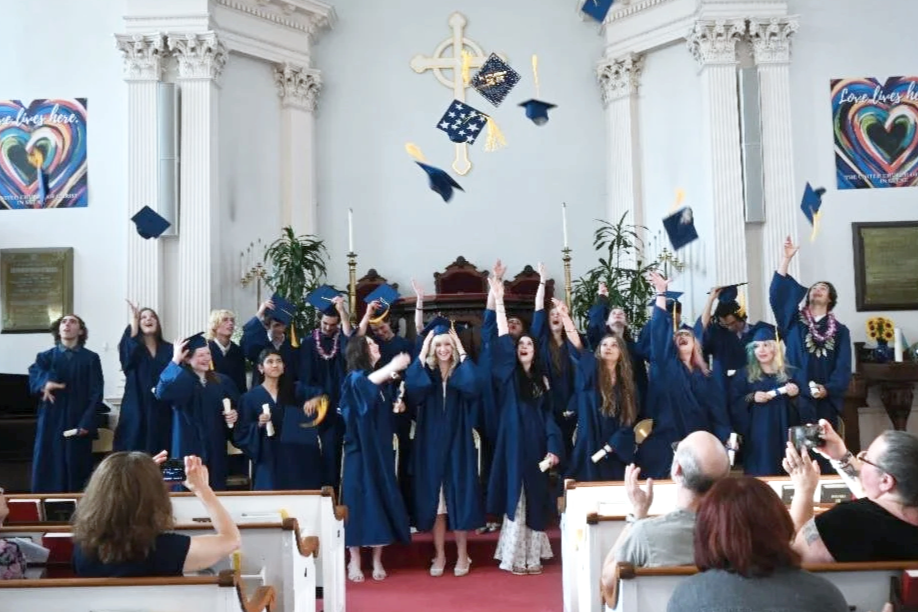
Sustaining the Journey From Kindergarten to Graduation
COMMUNITY-SUPPORTED EDUCATION
Gathering Waters is the only Waldorf-inspired K–12 school in the East, where students grow through a rich, human-centered education and step into the world with confidence. Your contributions help us welcome more families, support our teachers, and keep this education strong from kindergarten through 12th grade. Together, we can help this community flourish!