The Role of Handwork in Development
Adapted from a piece written By Laura Beatty, Handwork Teacher.
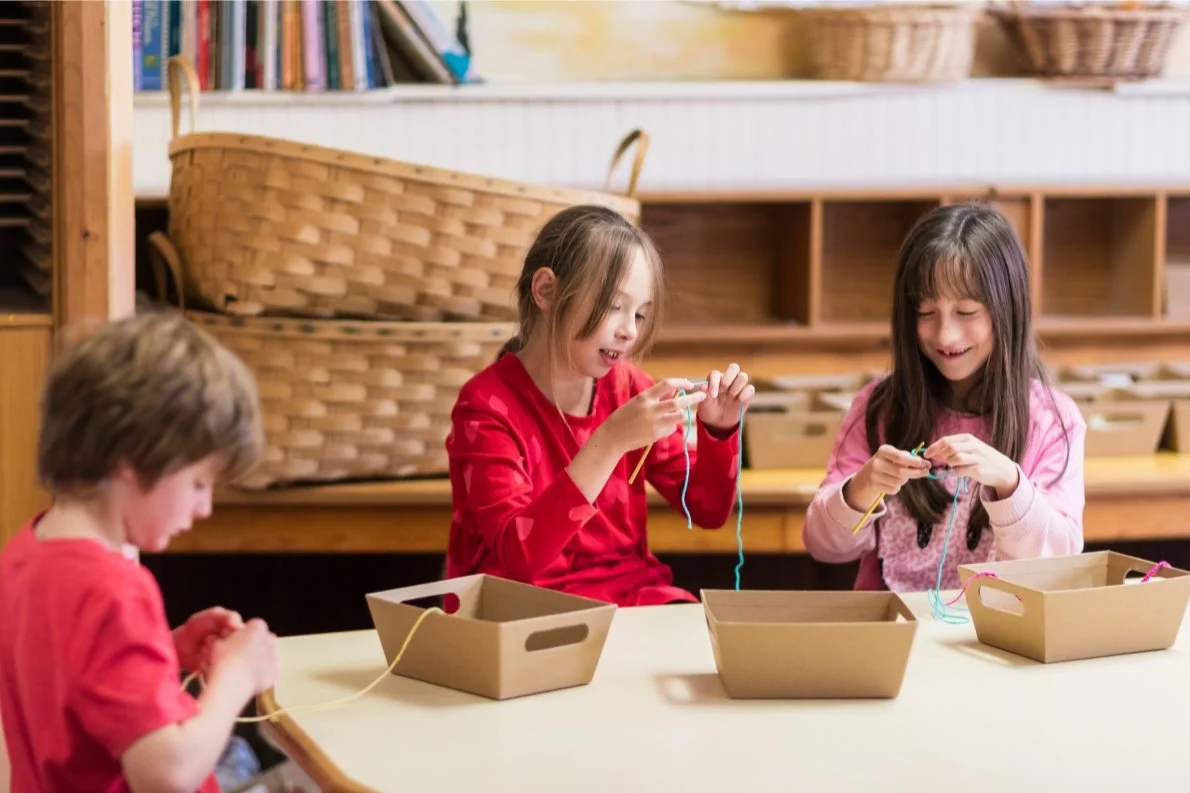
Why do Waldorf students learn to knit, sew, embroider, and crochet year after year, grade after grade? In this article, we explore the deeper purpose of handwork in Waldorf education: how working with the hands supports thinking, nurtures resilience, and educates the will. More than a craft, handwork is a developmental journey that unfolds alongside the child, weaving together head, heart, and hands into a living, meaningful whole.
Why Handwork Is Central to Waldorf Education
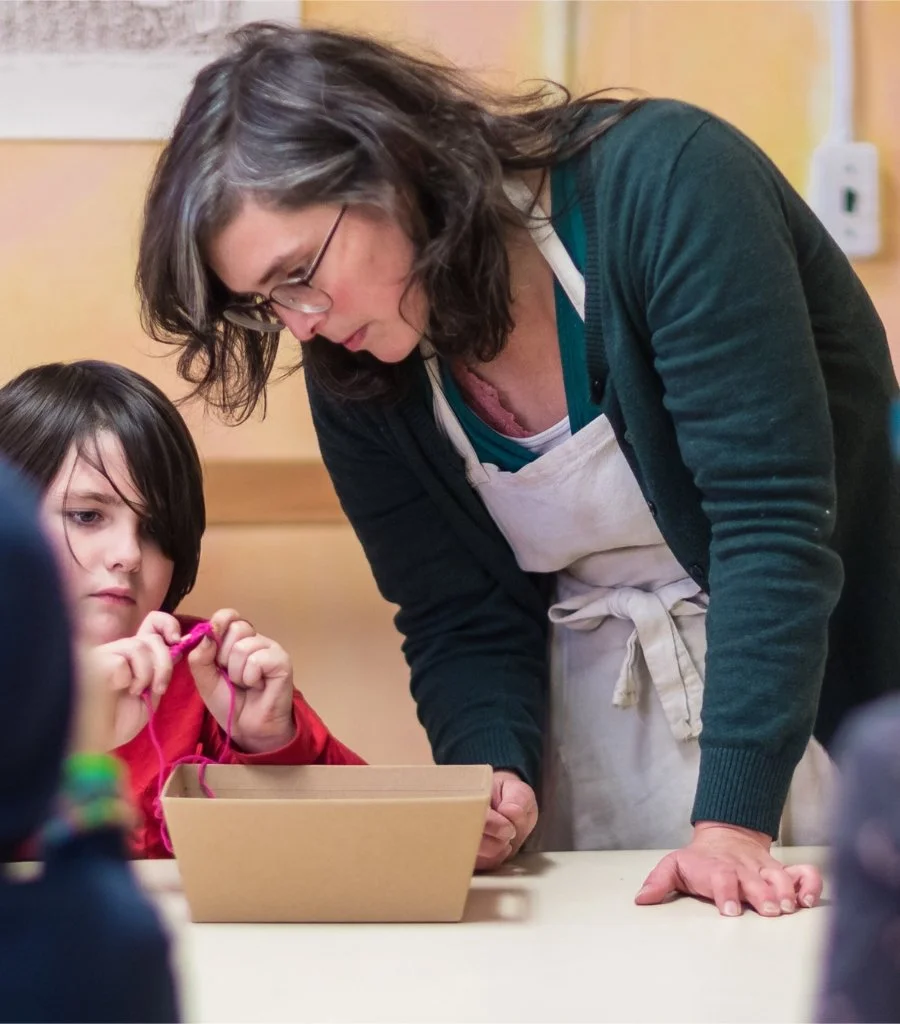
In Waldorf education, handwork is not an added enrichment, but a core pedagogical practice designed to support a child’s intellectual, emotional, and physical development. Guided by Rudolf Steiner’s indications, the Waldorf curriculum incorporates activities such as knitting, crochet, embroidery, and sewing to educate the will, cultivate patience, and awaken a sense of beauty.
Through making by hand, children engage deeply with process, material, and purpose. These are the experiences that quietly shape how they think, feel, and act in the world.
Learning Through Challenge: Patience, Persistence, and Pride
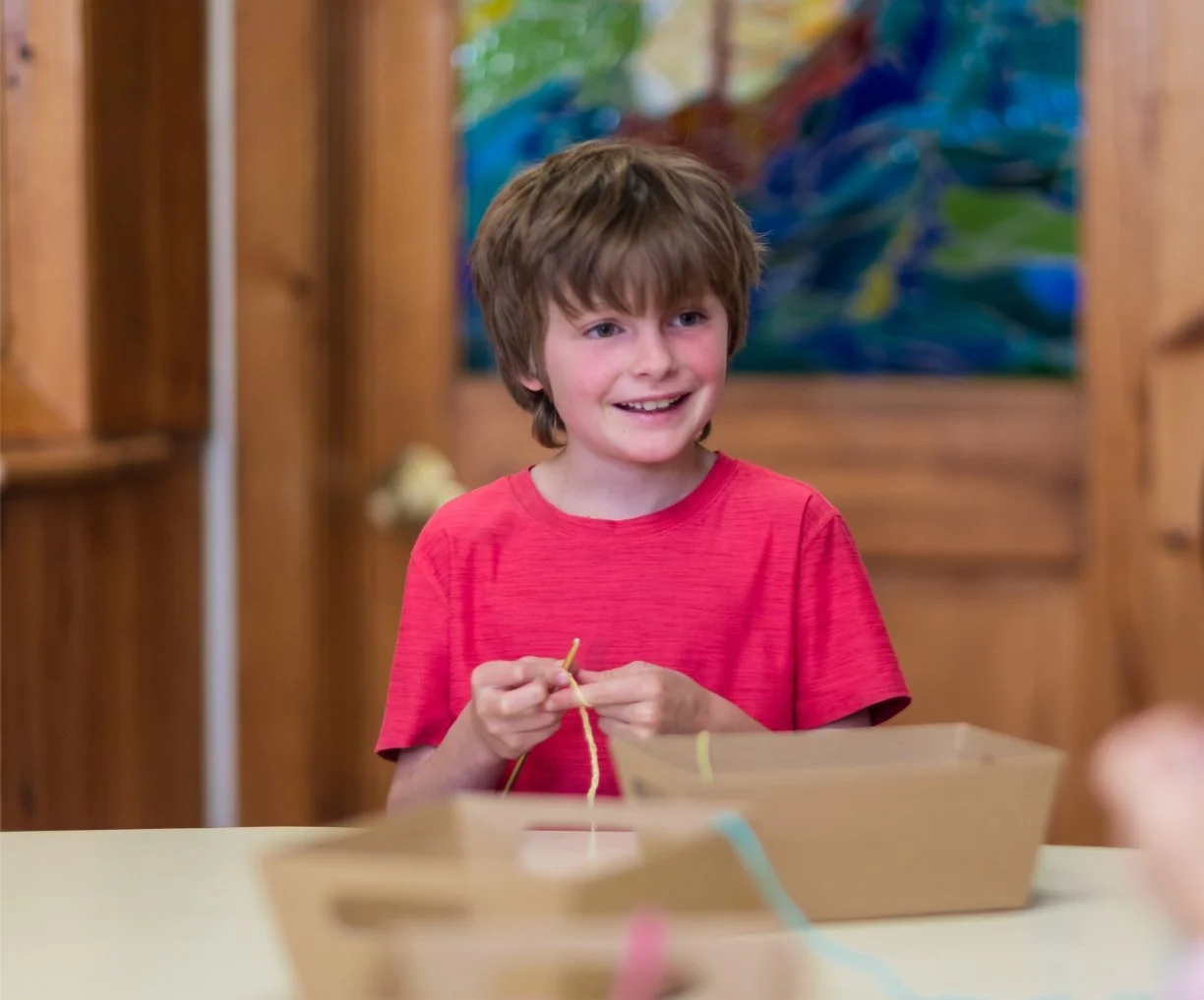
Learning to knit as a first grader is no small task. It requires focus, persistence, and steady resolve. Encountering embroidery or cross stitch for the first time in fourth grade brings a similar challenge. Yet again and again, children meet these experiences with enthusiasm and resilience.
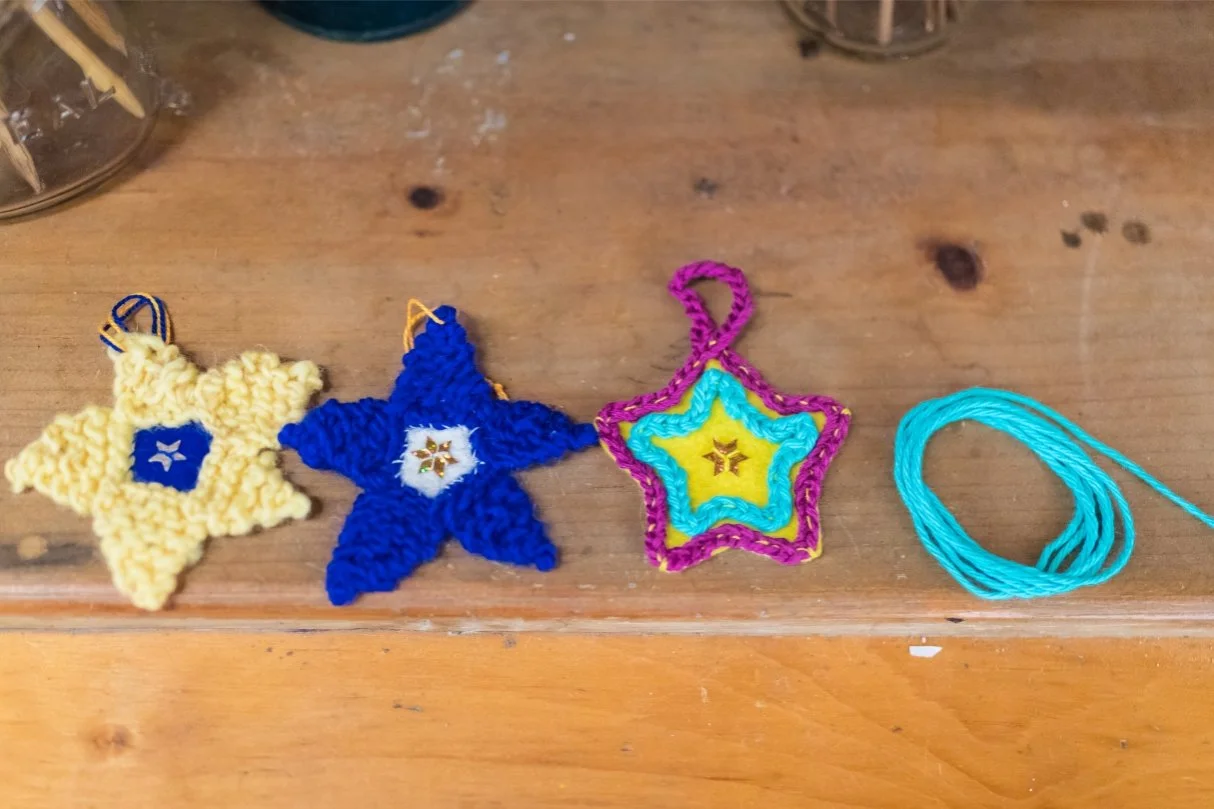
By the end of the process, they hold something both beautiful and practical that reflects effort, care, and growth. In this way, challenge becomes a source of confidence, and perseverance becomes a lived experience rather than an abstract ideal.
A Developmental Handwork Curriculum Across the Grades
Handwork skills unfold gradually across the grades. Each year, a new technique is introduced or a familiar one is expanded upon, all built together over the eight grades to form a cohesive whole. This journey begins even before grade school, in kindergarten, with finger knitting, small sewing projects, and other handicrafts that promote coordination, sensory integration, and healthy brain development.
The kindergarten teacher is also usually engaged in side projects and other handicrafts, and the children witness their teachers participating in practical and artistic work. Through observation, they absorb the value of meaningful labor and the care that goes into creating something by hand.
From Knitting Needles to Sewing Machines: Skills That Grow With the Child
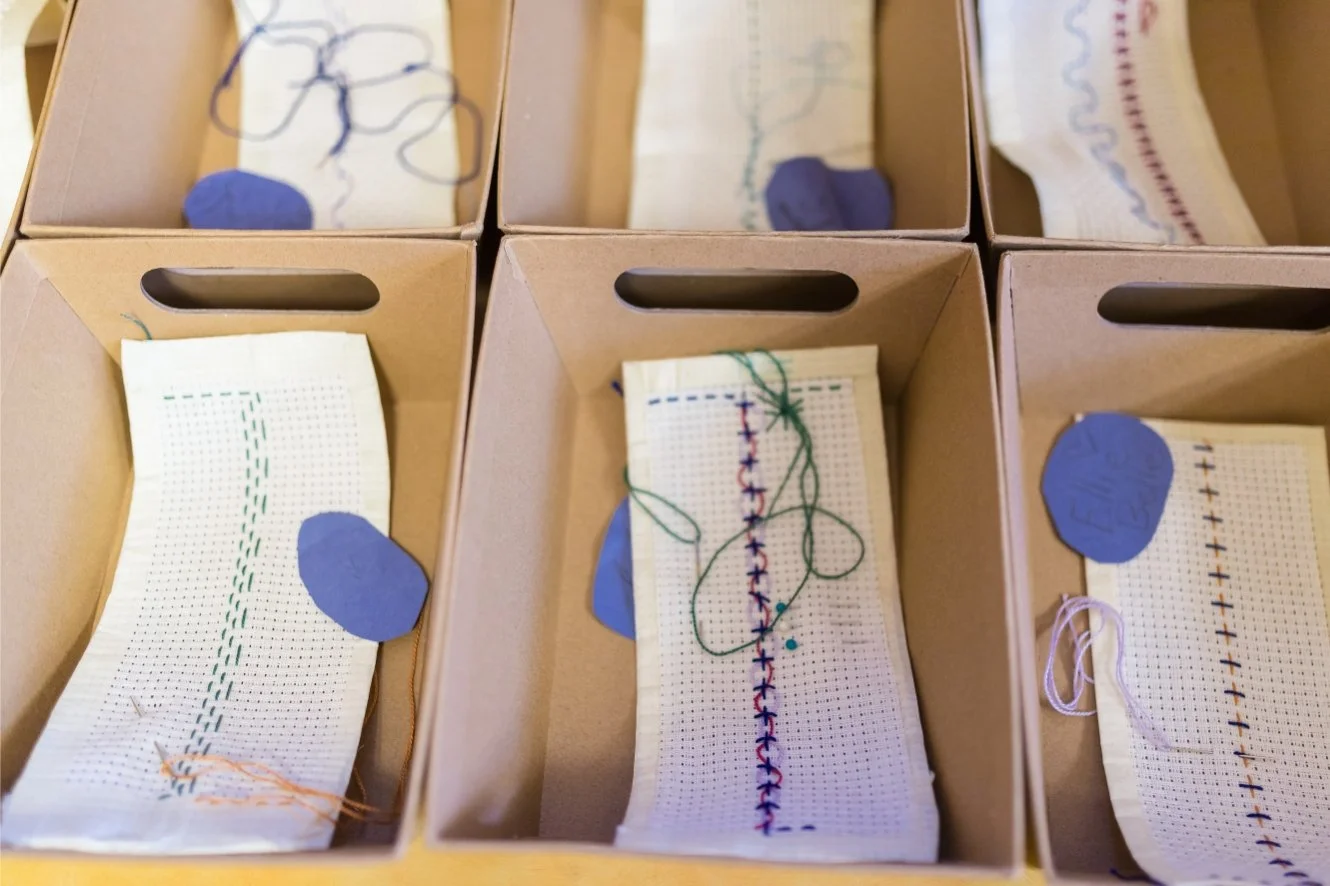
In the early grades, students craft their own knitting needles and learn to knit. New stitches are added in second grade, followed by crochet in third. Embroidery and cross stitch are introduced in fourth grade, and in fifth grade students return to knitting, this time in the round.
As students move into middle school, the focus shifts to sewing. Sixth and seventh graders engage in hand sewing and three-dimensional construction. In eighth grade, dovetailing with the main lesson material on the Industrial Revolution, students learn to sew on a machine. In this way, handwork continues to meet the developmental needs of the growing child while remaining closely connected to the broader curriculum.
Head, Heart, and Hands: A Unifying Principle
Throughout the handwork curriculum, the capacities of thinking, feeling, and doing are intentionally cultivated and brought into harmony, allowing each child to develop in a balanced and integrated way.
The Head: How Handwork Supports Thinking and Learning
The “Head” aspect of handwork focuses on how working with the hands directly impacts brain development, cognitive capacity, and creative thinking. Contemporary research increasingly echoes what Waldorf education has long observed: that developing motor skills lays an important foundation for later academic learning and more complex logical reasoning.
For example, a first grader learning to knit is engaged in pattern recognition, sequencing, mathematical rhythm, and visual tracking, all of which support the child as they embark on the work of learning to read, write, and do arithmetic.

The Heart: Building Resilience, Beauty, and Emotional Strength
The “Heart” of handwork lies in the emotional experience of the child as they develop their will forces and connect more deeply to the world around them. Handwork also fosters an artistic sensibility and an appreciation of beauty. In a world shaped by instant gratification and disposable goods, handwork teaches patience, perseverance, and the value of quality.
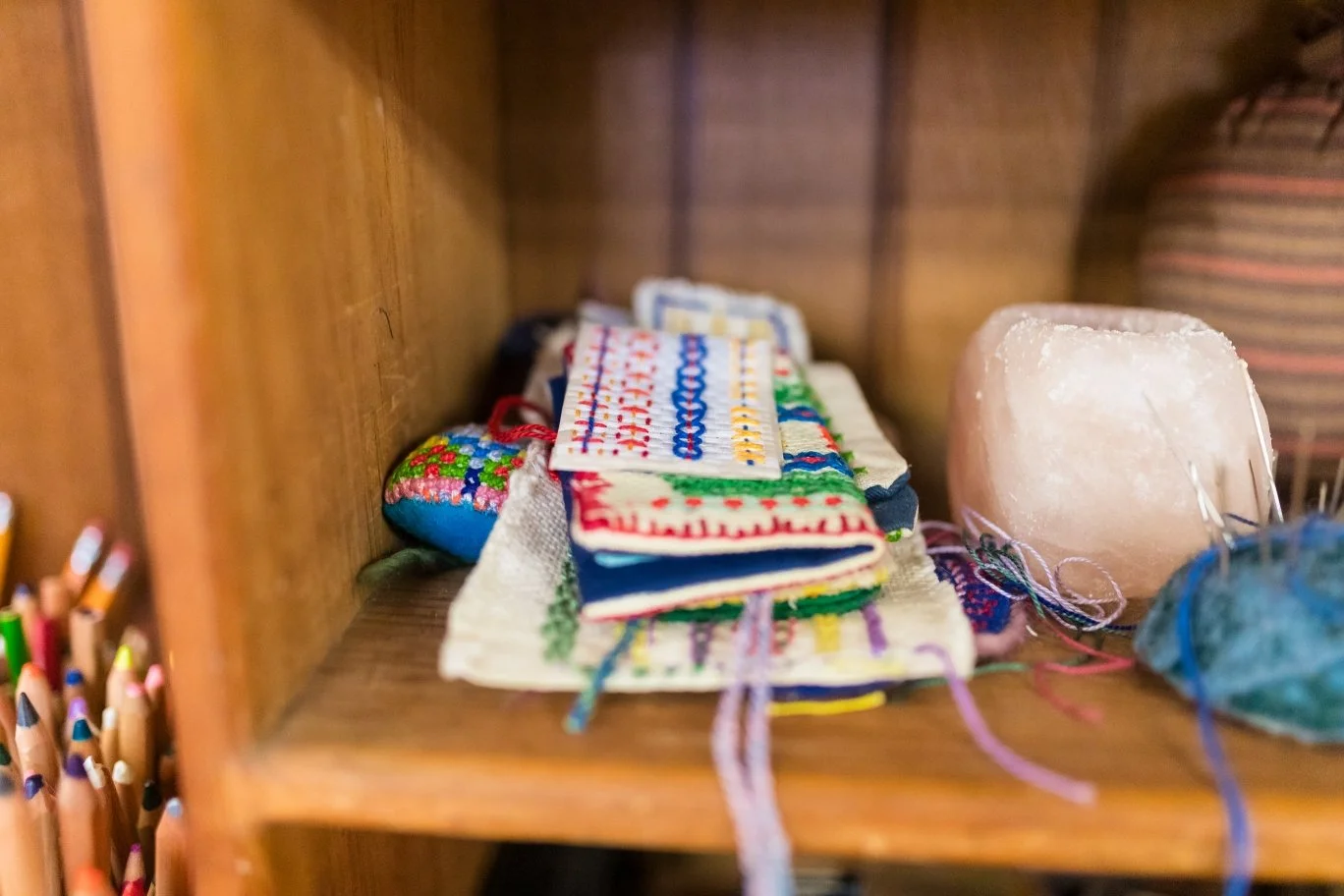
A student may spend months on a single cross-stitch project or constructing a pair of socks. During this time, they experience a full spectrum of emotions, from frustration, to perseverance, to confidence, and eventually triumph. This process builds emotional resilience, as children learn that mistakes are part of growth and that beauty requires time.
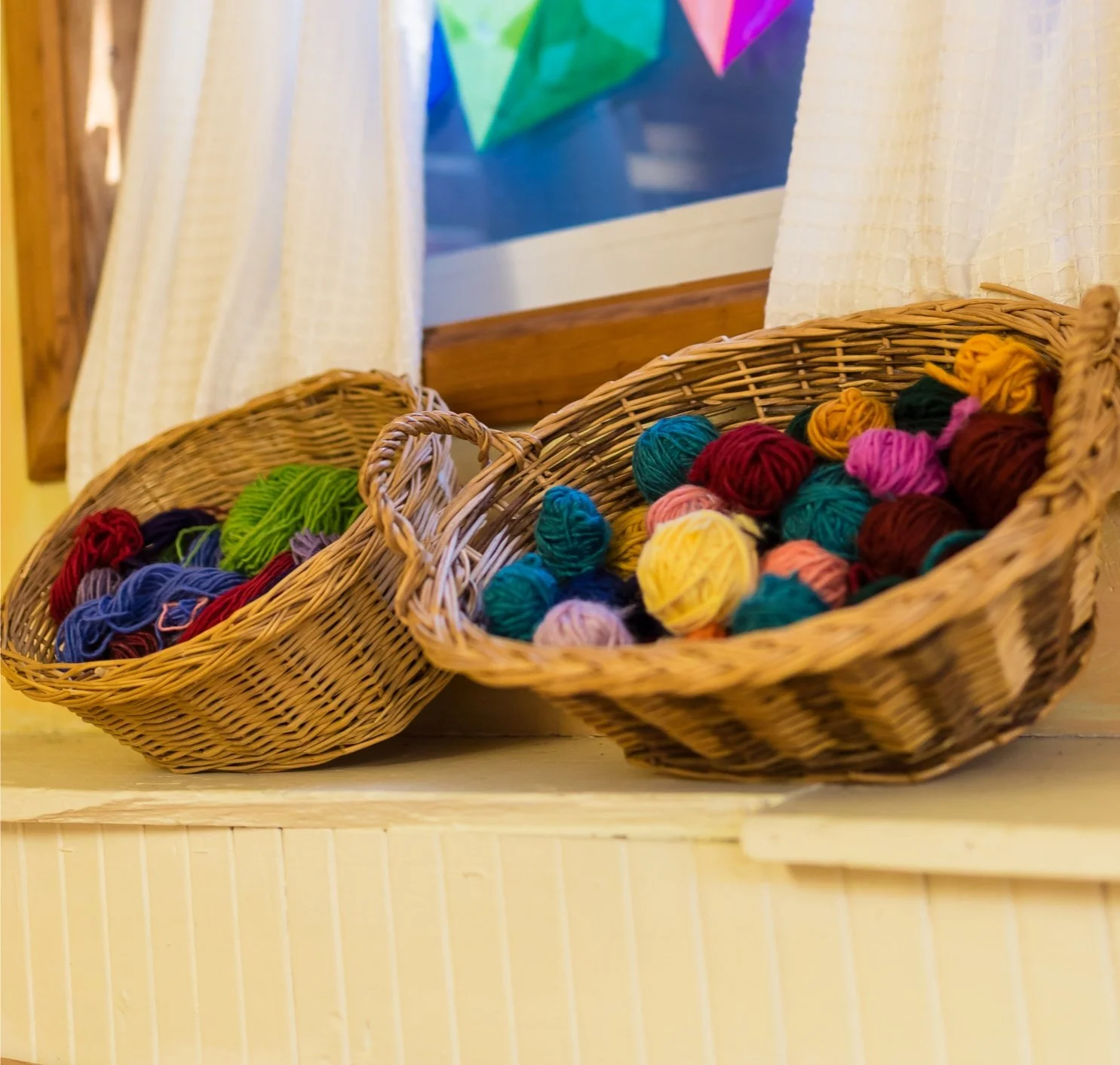
The use of natural materials such as wool, cotton, and silk brings warmth and sensory richness. Often dyed using natural dyes, these materials display a beautiful array of color and texture. Through this aesthetic experience, students come to see objects not simply as things to be consumed and discarded, but as the result of mindful creation, practical purpose, and artistry.
The Hands: Educating the Will Through Meaningful Work
The “Hands” are the means by which human beings transform thought into form through what Steiner referred to as the will. Seen through this lens, the hands become primary instruments through which we shape both ourselves and our environment.
In handwork, through the mastery of various crafts, students develop, train, and strengthen their will forces. They experience firsthand that their hands have the power to create functional and necessary objects that are also beautiful; objects that carry meaning because of the care and effort invested in their making.
Integrating Head, Heart, and Hands Through Handwork
The purpose and importance of handwork in Waldorf education lies in the way it integrates head, heart, and hands to cultivate individuals who are not only deep, creative thinkers, but who can also act with intention and care.
Through handwork, students learn to meet the world with patience, resilience, and confidence, using their skills and inner resolve to add beauty, purpose, and thoughtfulness to the world around them.